
Stakeholders urged to strengthen early, expert and credible mechanisms for resolving engineering and construction disputes
The Ghana Institution of Engineering (GhIE) has called for stronger alternative dispute resolution (ADR) mechanisms, saying efficient dispute resolution is critical to timely infrastructure delivery, investor confidence and Ghana’s economic development.
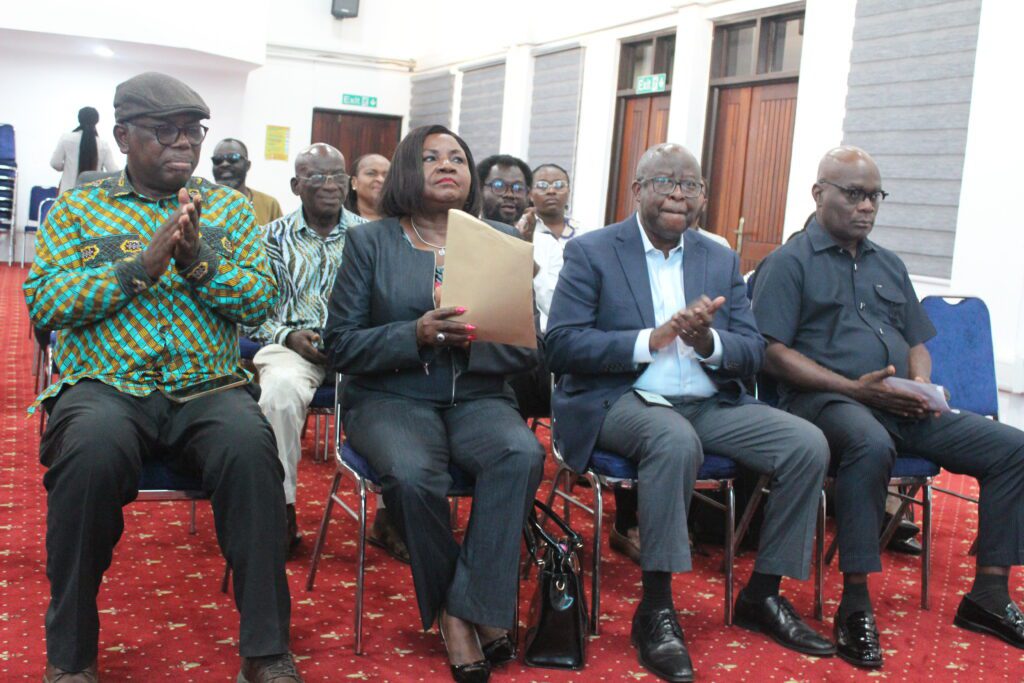
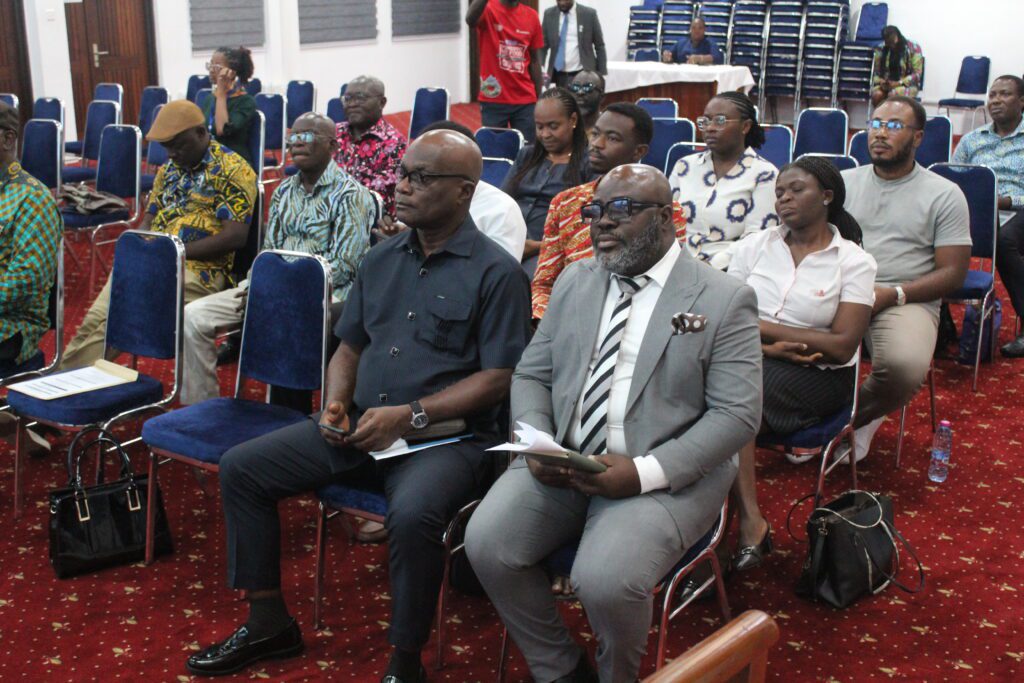
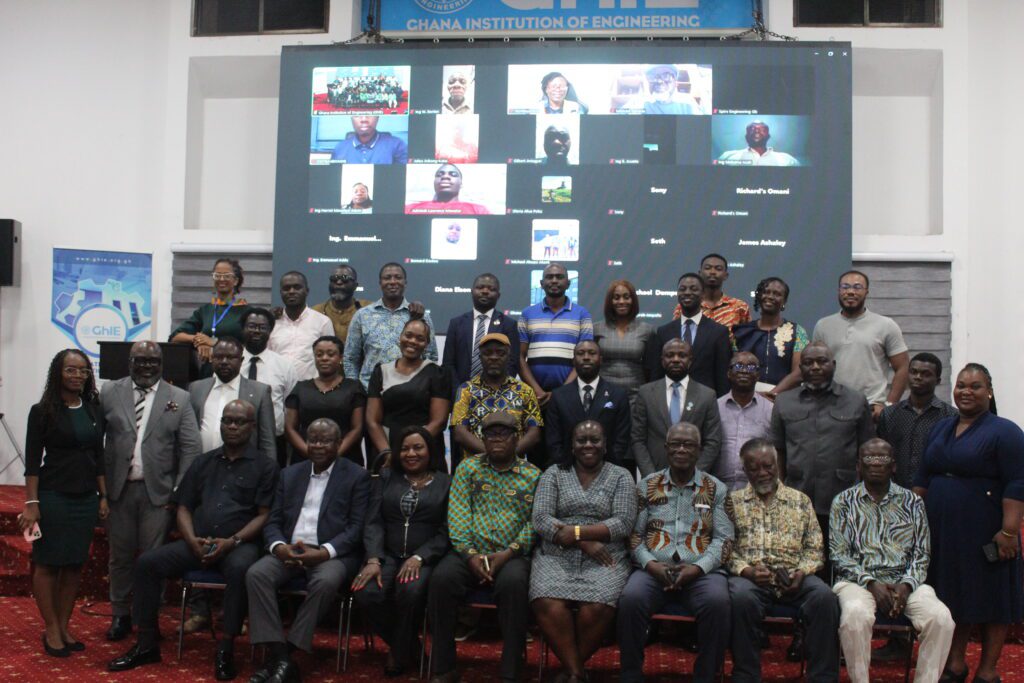
The call was made at a stakeholder engagement on October 8, 2025, at the Engineering Centre in Accra, under the theme “ADR, Efficient Justice Delivery and Ghana’s Infrastructure and Economic Development.”
In his welcome remarks, GhIE President Ing Ludwig Annang Hesse said effective infrastructure delivery depends not only on sound technical designs and adequate financing, but also on the ability of parties to resolve disagreements efficiently.
“Effective ADR can help prevent disputes from becoming obstacles to project delivery, protect professional and commercial relationships, and ultimately ensure that infrastructure investments deliver their intended value to the Ghanaian people,” Ing. Hesse said.
He said the engagement provided a platform for stakeholders to deepen their understanding of ADR and explore practical ways of making dispute-resolution mechanisms more accessible and effective.
“GhIE is committed to promoting a culture in which disputes are addressed early, professionally and constructively,” he added.
The Guest of Honour and Chairperson of the GhIE ADR Centre, Her Ladyship Justice Barbara Frances Ackah-Yensu (Rtd), said efficient dispute resolution was part of the institutional foundation for economic development.
She said justice delivery was not simply about deciding cases, but ensuring that disputes were resolved fairly, efficiently, affordably and within a reasonable time.
While the courts remain essential to Ghana’s justice system, she said not every dispute requires a full trial. Negotiation, mediation and arbitration can provide appropriate avenues for resolving commercial, construction and technical disputes.
“ADR is therefore not an alternative to justice. It is, where appropriate, an alternative means of achieving justice,” she said.
Justice Ackah-Yensu said infrastructure projects involve multiple parties and complex contractual relationships, with disputes potentially arising over payments, variations, delays, defective works and contractual obligations.
She called for appropriate dispute-resolution mechanisms to be incorporated into major contracts from the outset, allowing disputes to be addressed before they become entrenched.
She said the GhIE ADR Centre should be viewed not simply as another forum for settling disputes, but as an institution promoting early, expert and credible resolution.
She encouraged contracting authorities, consultants and contractors to consider referring appropriate disputes to the Centre, noting that stronger ADR mechanisms could improve commercial certainty, project delivery and confidence in Ghana’s business environment.
According to Ing Prince Osisiadan Anane-Acheampong, Administrator of the GhIE ADR Centre, the Centre provides a comprehensive range of negotiation, mediation, arbitration, capacity-building and advisory services.
Its services include assisted negotiation, settlement facilitation, early dispute intervention, commercial and construction mediation, domestic and international arbitration, fast-track and technical arbitration, as well as mediation and arbitration training.
The Centre also provides construction claims support, dispute boards, ADR clause drafting, ADR policy development, contract review, dispute-avoidance mechanisms and guidance on expert determination.
Ing Anane-Acheampong said the services were designed to support early intervention, specialised expertise and efficient dispute resolution across the engineering, construction and commercial sectors.
For GhIE, strengthening ADR forms part of a broader effort to build an effective “infrastructure of justice” alongside the physical assets required for Ghana’s national development.