
Engineers call for reliable power generation, smarter asset management and stronger professional ethics
The Ghana Institution of Engineering (GhIE), through its Mechanical, Agriculture and Marine (MAM) Technical Division, has called for stronger maintenance practices, technological innovation and professional ethics to strengthen the reliability and resilience of Ghana’s energy sector.
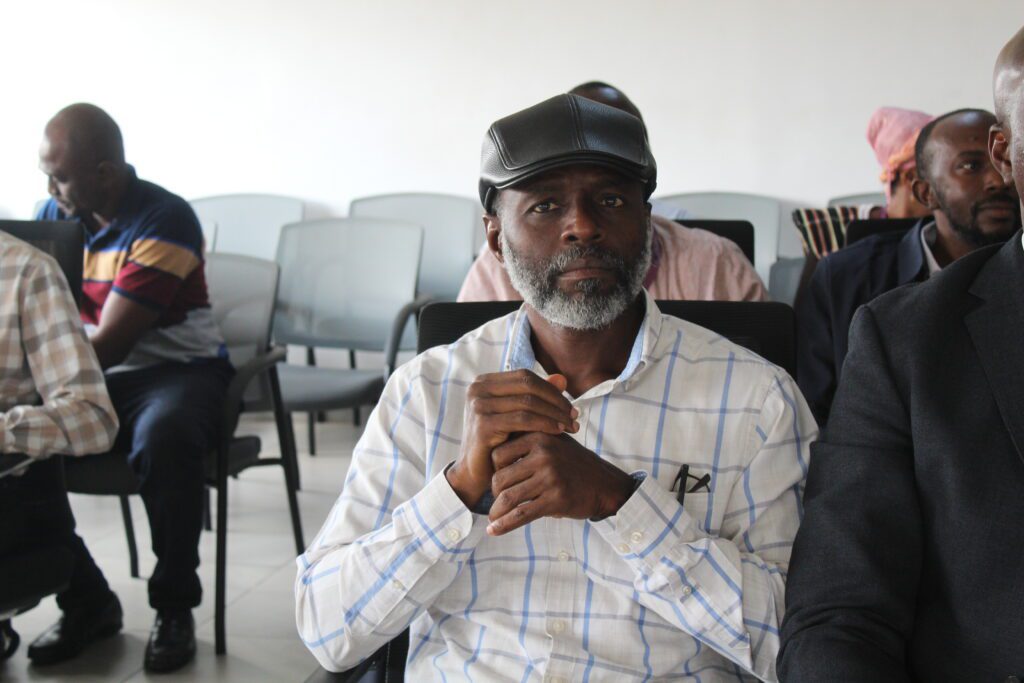
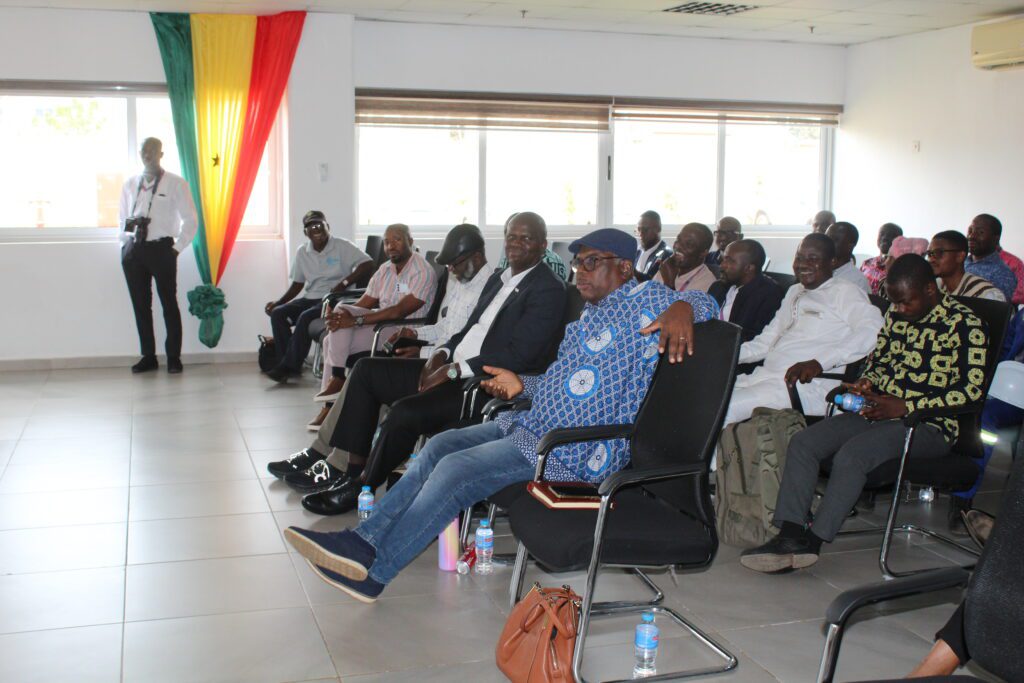
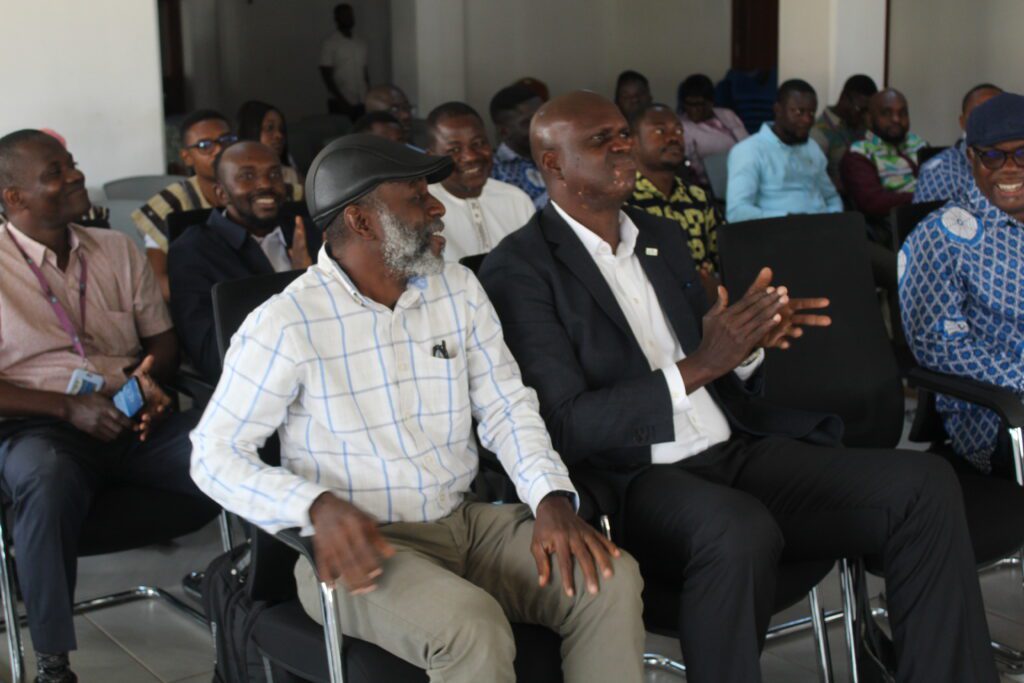
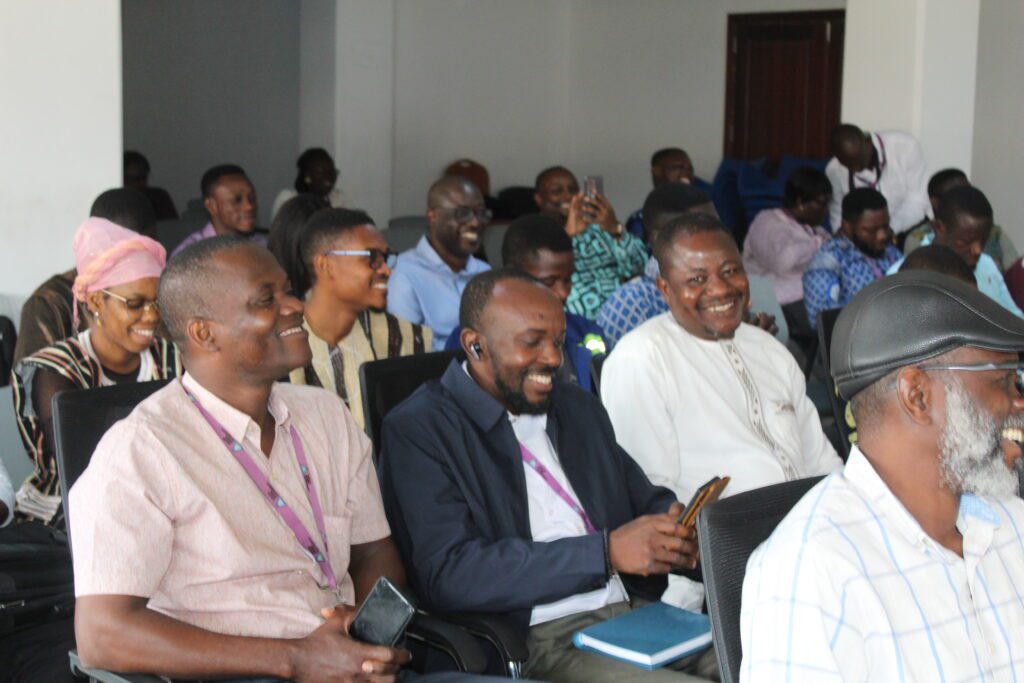
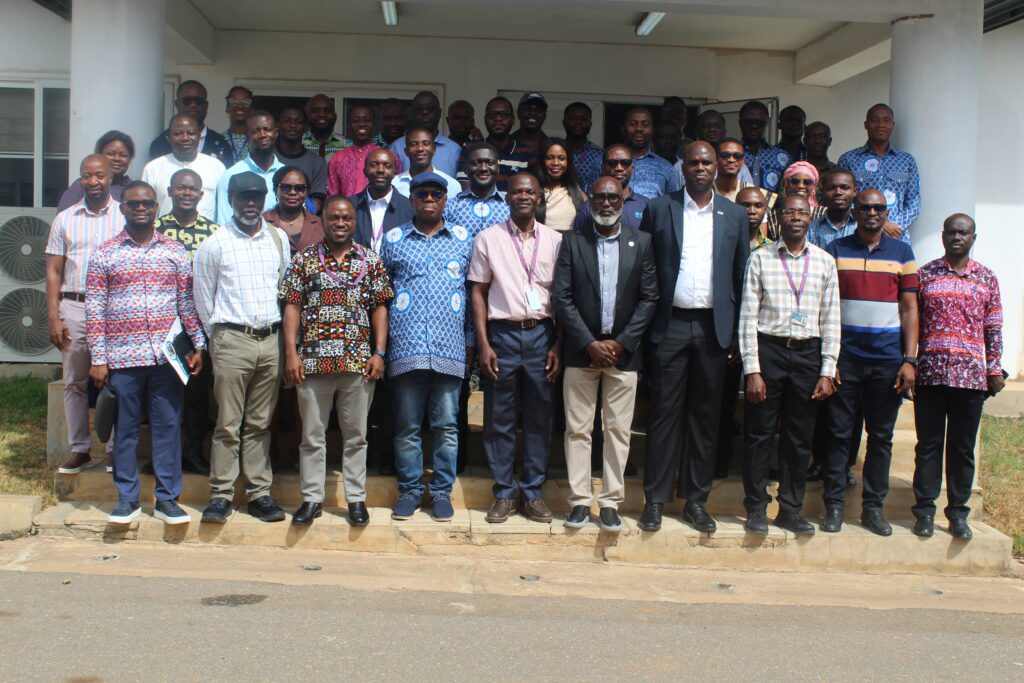
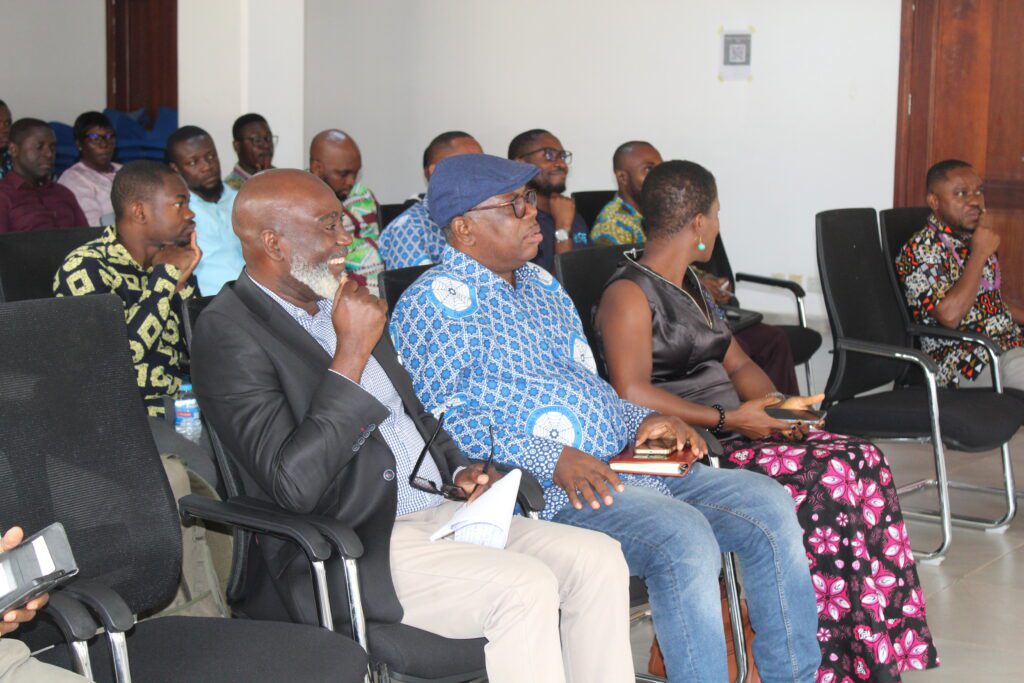
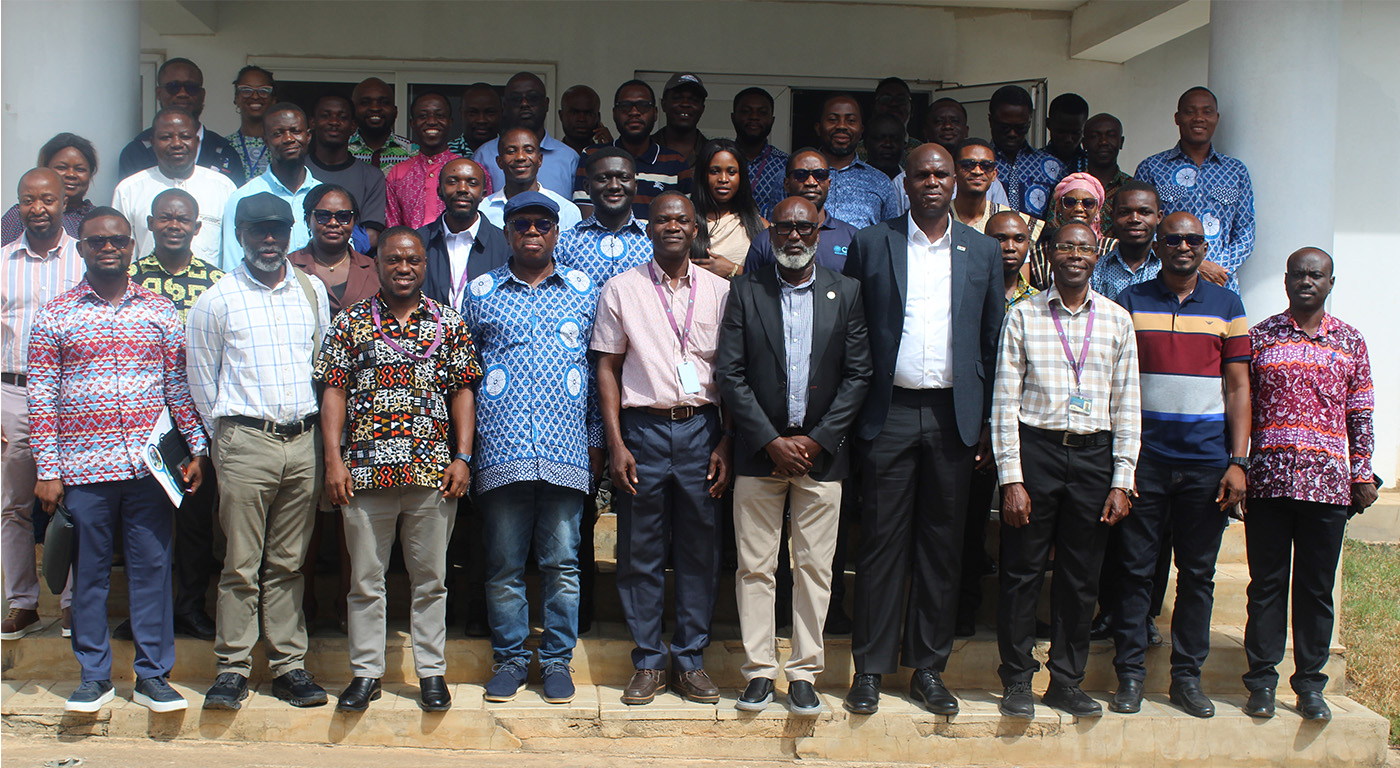
The call was made at the Division’s 2026 Mini Conference, held on Wednesday, 7 October 2026, at the Volta River Authority’s (VRA) Kpone Thermal Power Station (KTPS) Employees Facility.
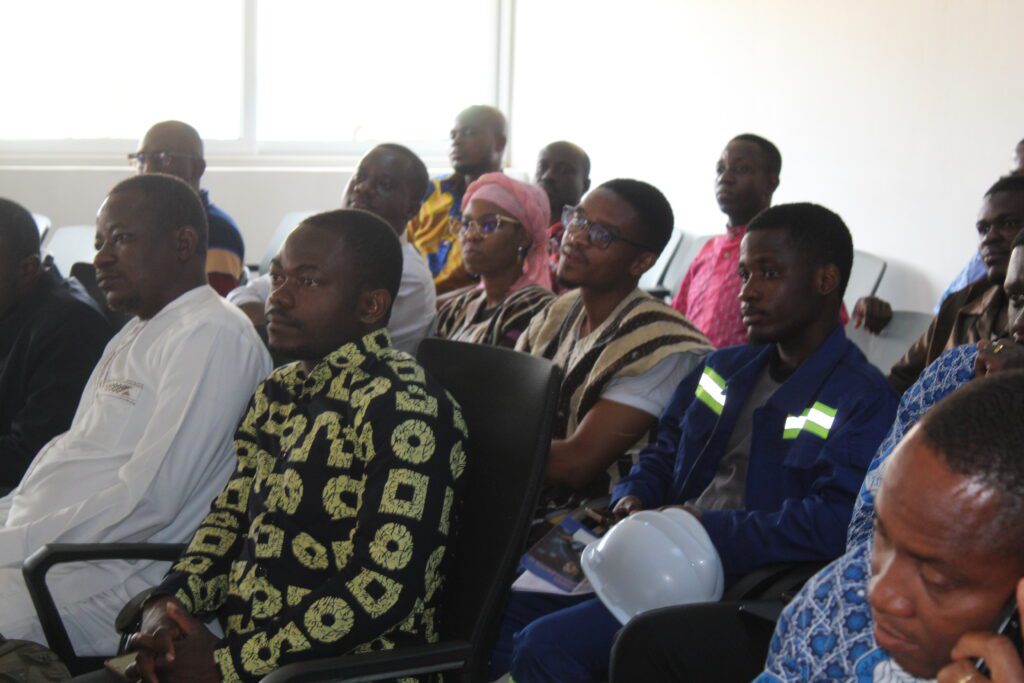
Held under the theme, “Turbines, Transformers & Transformation: Driving Ghana’s Energy Security Through Mechanical Engineering,” the conference brought together engineering professionals to examine how mechanical engineering can contribute to reliable, resilient and sustainable energy systems.
In his opening remarks, GhIE President Ing Ludwig Annang Hesse stressed the importance of active technical divisions in strengthening the Institution’s professional voice and advancing engineering practice in the national interest.
He urged engineers to speak up on issues affecting public safety and development, emphasising that safety must remain paramount across all engineering disciplines.
The Chair of the MAM Division, Ing Dr Divine Okutu, said the conference provided an opportunity to draw on industry experience and examine the responsibilities of engineering professionals. VRA was used as a practical case study of how sustained investment, technical competence and effective maintenance can support long-term operational performance.
Delivering the keynote address, Ing Samuel O. Lamptey, Deputy Chief Executive, Engineering and Operations at VRA, said turbines, transformers and transformation were interconnected elements of Ghana’s development.
He noted that energy security requires more than installed generation capacity, stressing the importance of reliable generation, efficient transmission, dependable fuel supplies, resilient infrastructure and skilled professionals.
He challenged mechanical engineers to embrace digital technologies, including artificial intelligence, real-time monitoring and predictive maintenance, while preparing for the energy transition.
He also called for stronger local manufacturing and repair capabilities, greater investment in research and practical opportunities for young engineers to build their technical expertise.
In a presentation titled “From Turbine to Reliability: Securing Ghana’s Existing Generation Assets,” Ing Dennis Sitsofe Anyomi of VRA emphasised that the reliability of existing generation assets must remain central to Ghana’s energy strategy.
Drawing on VRA’s operational experience, he explained that equipment age alone does not determine reliability. Disciplined maintenance, strategic asset management, refurbishment, continuous professional development and effective leadership are equally important to sustaining performance.
He stressed that installed capacity must translate into electricity that is consistently available when needed.
Ing Justice Adu-Acheampong of VRA subsequently examined the evolving role of the mechanical engineer in Ghana’s future energy system, highlighting the profession’s contribution to an energy sector undergoing technological and structural change.
The conference also featured an ethics education session led by Ing Sylvia Sampong Ekremet, who sensitised participants to the GhIE Code of Ethics.
She highlighted the importance of competence, public safety, integrity and independent professional judgement, particularly when engineers face pressure from deadlines, budgets or competing interests.
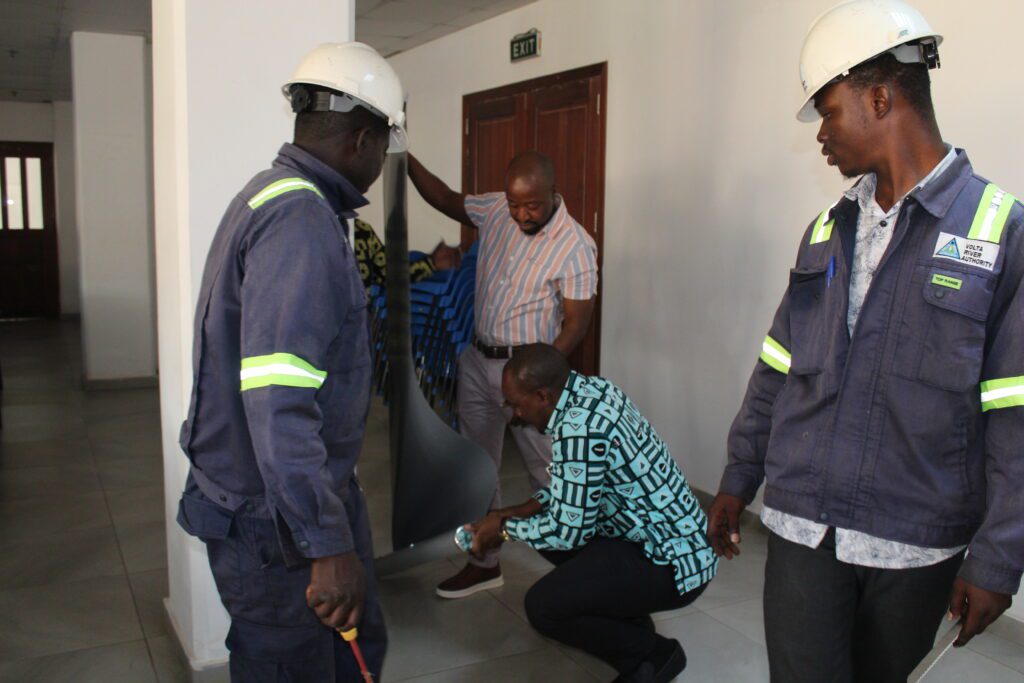
The programme concluded with a technical tour of KTPS, allowing participants to connect the conference discussions with operational practice.
The conference reinforced a central message: Ghana’s energy security depends not only on investment in infrastructure, but on how effectively the country maintains, manages and innovates around those assets and on the competence and ethical responsibility of the engineers entrusted with them.