
Engineers, lawyers and industry stakeholders identify balanced contracts, early intervention and collaboration as essential to successful project delivery
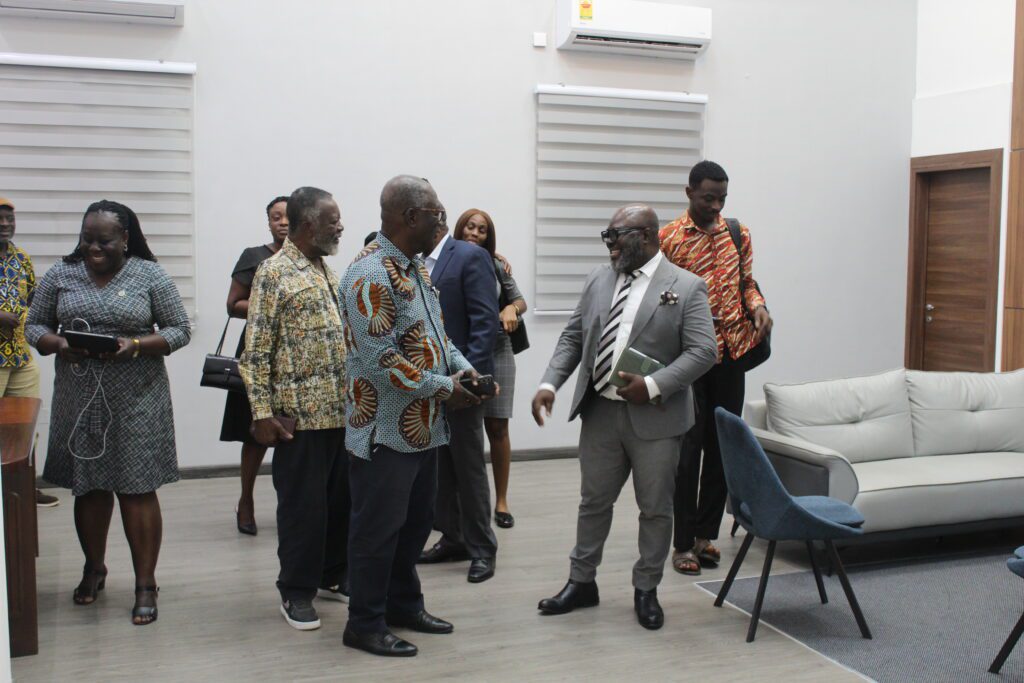
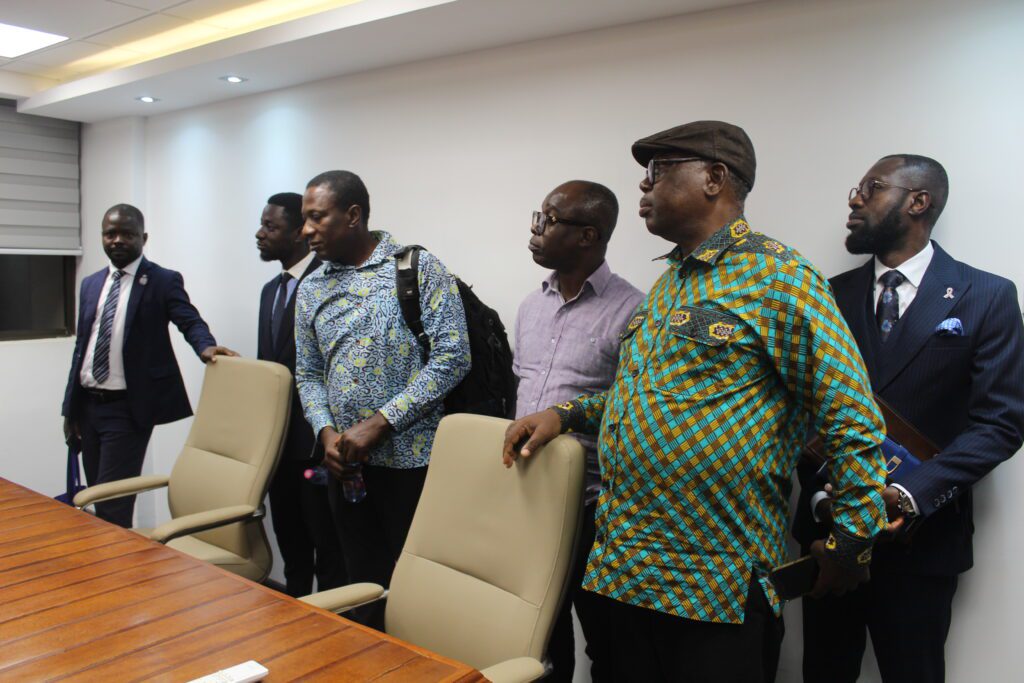
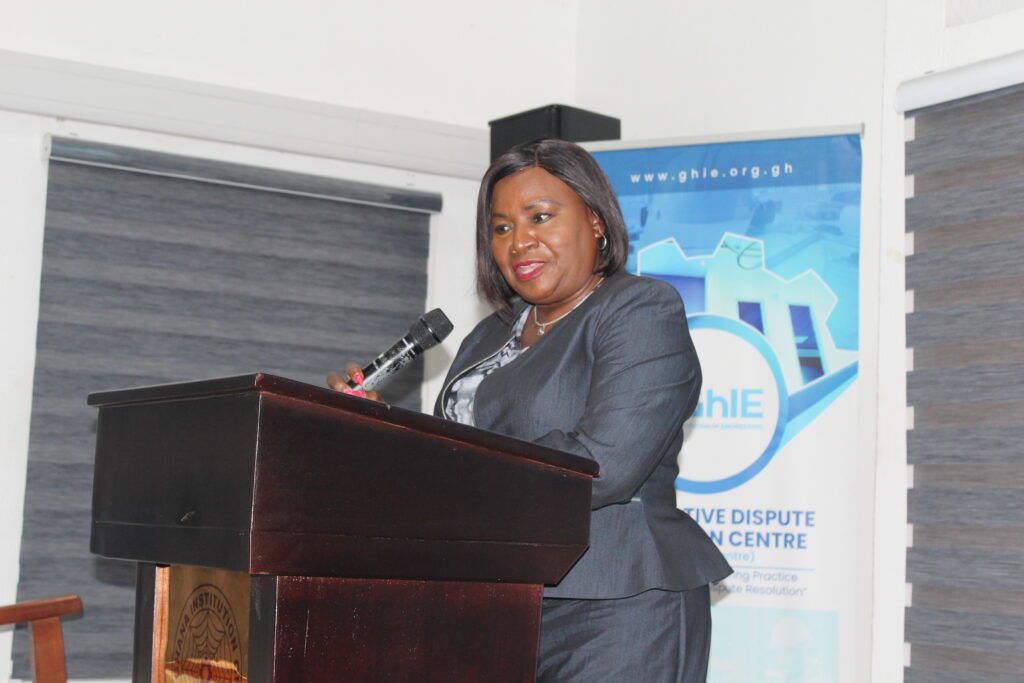
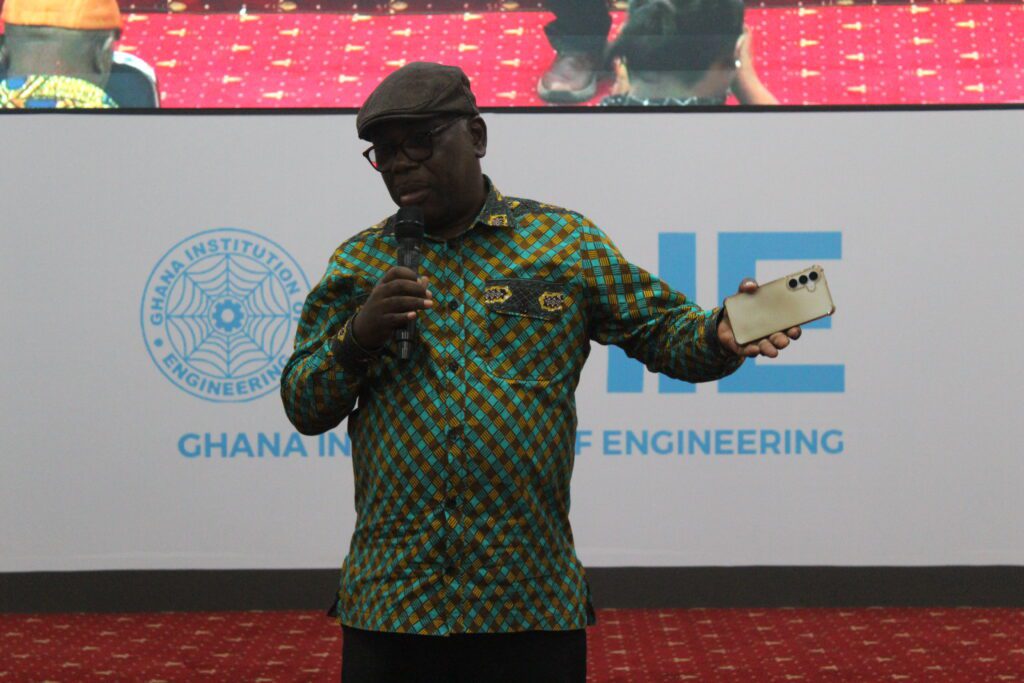
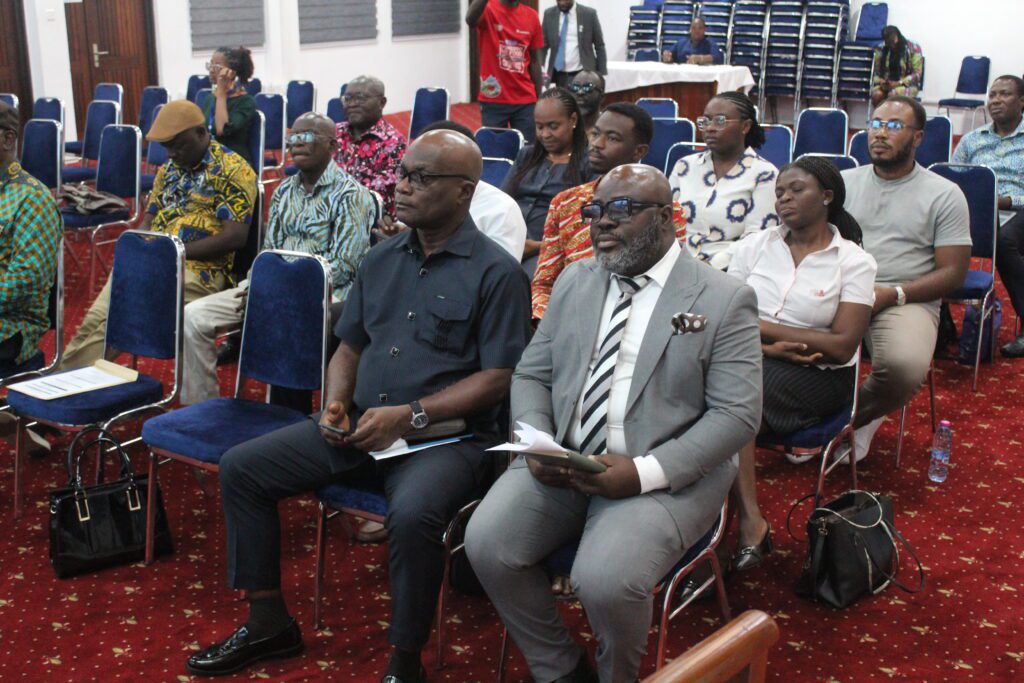
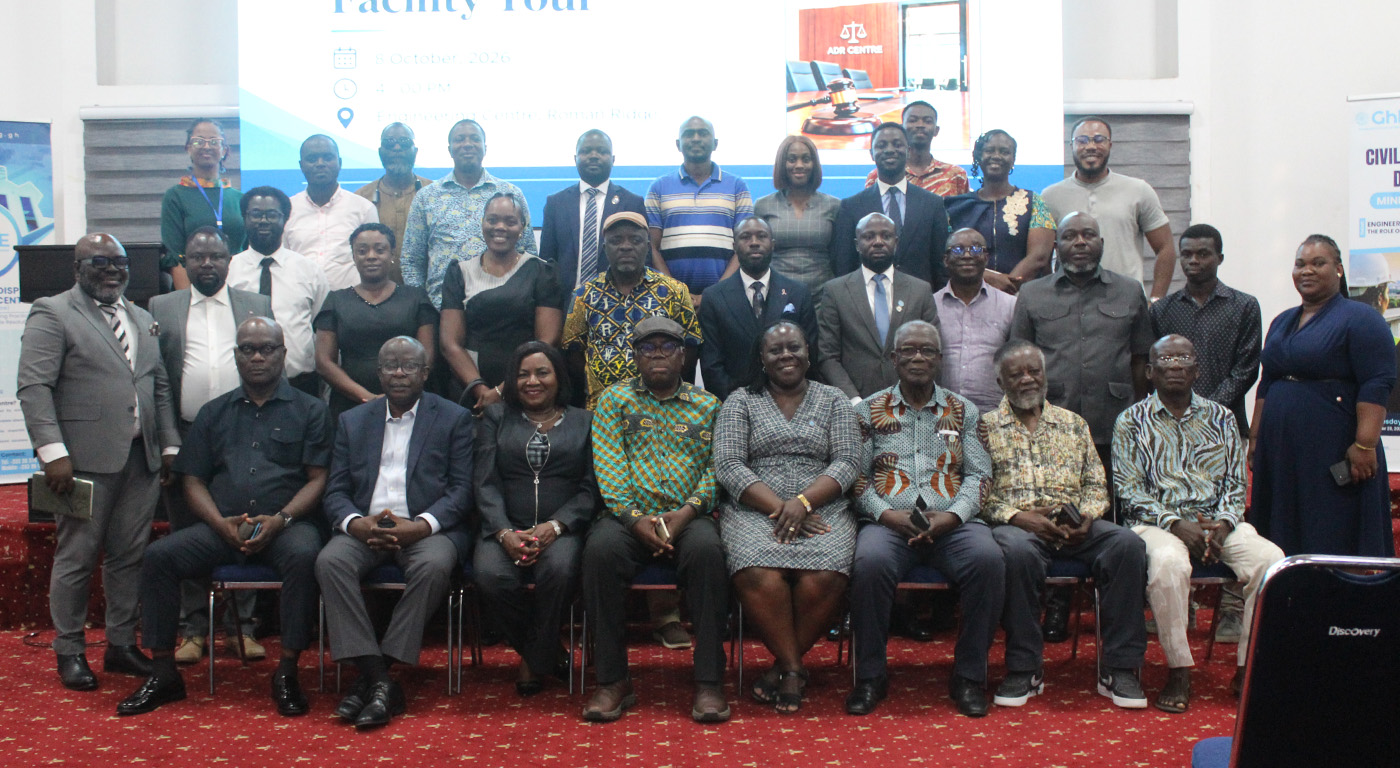
Engineers, lawyers, consultants and other industry stakeholders have highlighted early intervention, balanced contracts and stronger professional collaboration as some of the key lessons from a stakeholder engagement on Alternative Dispute Resolution (ADR) organised by the Ghana Institution of Engineering (GhIE).
The engagement provided participants with practical insights into how disputes can be prevented, managed and resolved before they escalate into costly conflicts that delay projects and undermine infrastructure delivery.
One of the central lessons was that dispute resolution should not begin only after a dispute has become entrenched. Participants emphasised the importance of building dispute-avoidance mechanisms into contracts from the outset.
They highlighted Dispute Avoidance/Adjudication Boards (DAABs) and similar mechanisms as practical tools for identifying and addressing disagreements while projects are still being implemented.
Participants also learned that the quality of a contract can significantly influence how effectively disputes are managed.
The discussion stressed the need for contracts to be clear, fair and balanced, with professionals encouraged to consider whether they would accept the same terms if they were on the other side of the agreement.
A contract designed primarily to protect one party, participants noted, can create tension and increase the potential for disputes. A balanced contract, by contrast, can establish clearer expectations, strengthen trust and provide a sounder basis for resolving disagreements.
Another important lesson was the need for closer collaboration between technical professionals and legal practitioners.
Engineers and other specialists understand the technical and operational realities of projects, while lawyers translate those requirements into contractual language. Participants therefore stressed the importance of both sides working together to ensure that contracts accurately reflect the risks, obligations and practical requirements of a project.
They cautioned against relying solely on generic contractual provisions without sufficient technical input, particularly in complex engineering and construction projects.
The engagement also highlighted the value of multi-tier dispute-resolution clauses, through which disputes can progress through negotiation, mediation, expert intervention and, where necessary, arbitration.
Participants learned that consultants and engineers can play an important role in resolving issues before they escalate into formal proceedings.
The concept of project partnering was also discussed as a practical approach to dispute prevention. Bringing project owners, engineers, contractors and subcontractors together before construction begins can help identify potential areas of conflict, clarify responsibilities and establish relationships that support cooperation throughout the project. Pasted markdown
A further lesson was that contracts should not remain documents that are opened only when problems arise.
Participants were encouraged to regularly review key contractual obligations, timelines and dispute-resolution provisions throughout project implementation. Making the contract part of routine project discussions can help stakeholders identify potential problems early and act before they become disputes.
The GhIE ADR Centre also highlighted its training programmes and monthly knowledge-sharing sessions as avenues for strengthening professional understanding of ADR and emerging issues in dispute resolution.
Participants were also informed that ADR services can be accessed beyond Accra through virtual hearings and meetings, making the Centre more accessible to parties across Ghana and beyond.
The engagement ultimately reinforced a fundamental principle: effective ADR is not simply about resolving disputes; it is about preventing disputes from becoming barriers to successful project delivery.
For GhIE, the discussions underscore the importance of building a professional culture founded on fair contracts, early intervention, collaboration and informed dispute management helping create the conditions for projects to be delivered on time, with greater certainty and better value for Ghana.