
The Ghana Institution of Engineering (GhIE) has called for sustained political commitment to long-term infrastructure planning and investment as it begins engaging political leaders and other stakeholders on the findings of the 2026 Ghana Infrastructure Report Card (GIRC).
The stakeholder engagements form part of GhIE’s efforts to promote a national dialogue on the state of Ghana’s infrastructure and build consensus around measures needed to address persistent infrastructure challenges.
The 2026 GIRC assessed eight major infrastructure sectors and assigned Ghana an overall grade of D3, highlighting challenges in infrastructure planning, financing, project delivery, maintenance and institutional accountability.
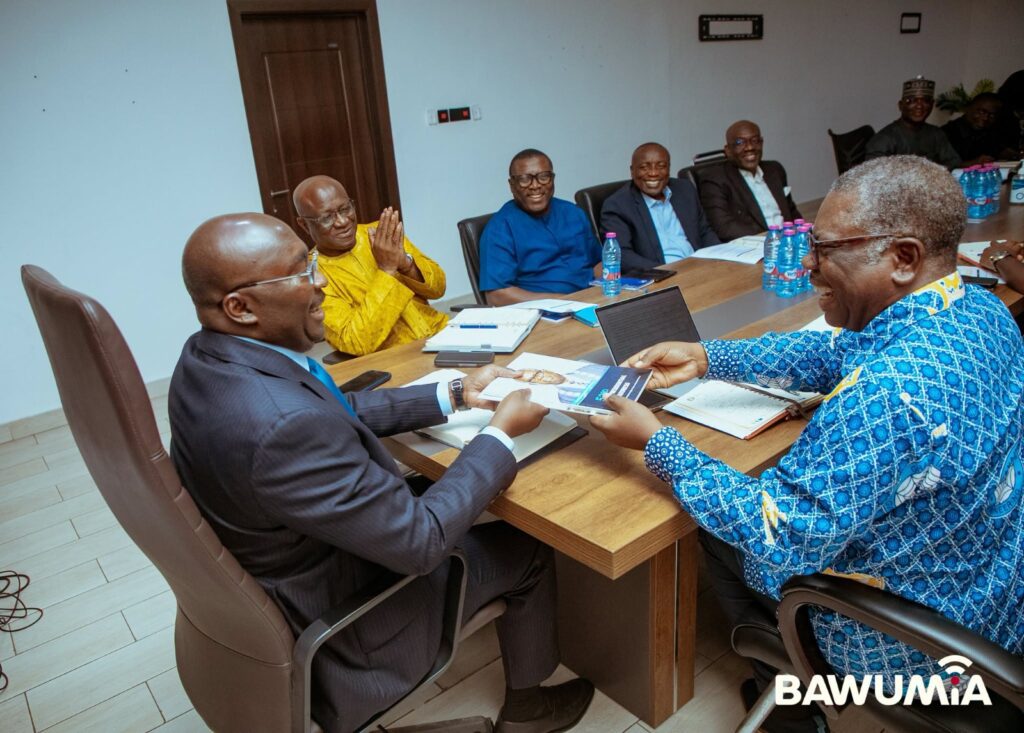
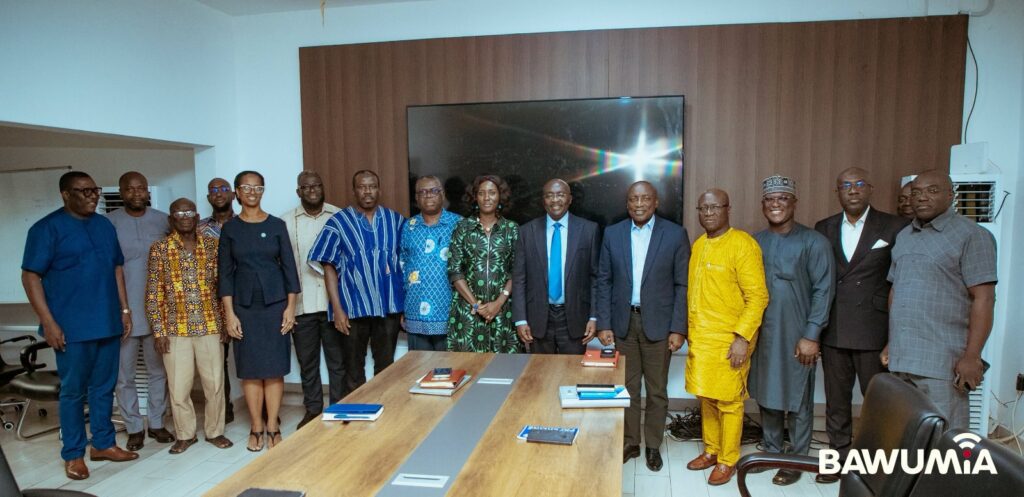
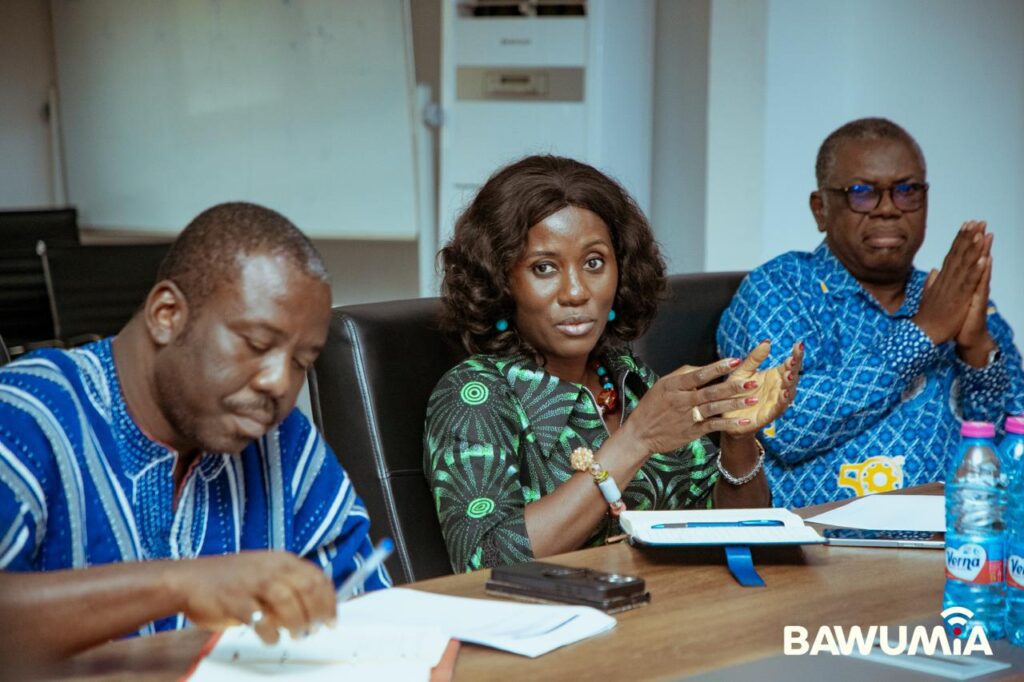
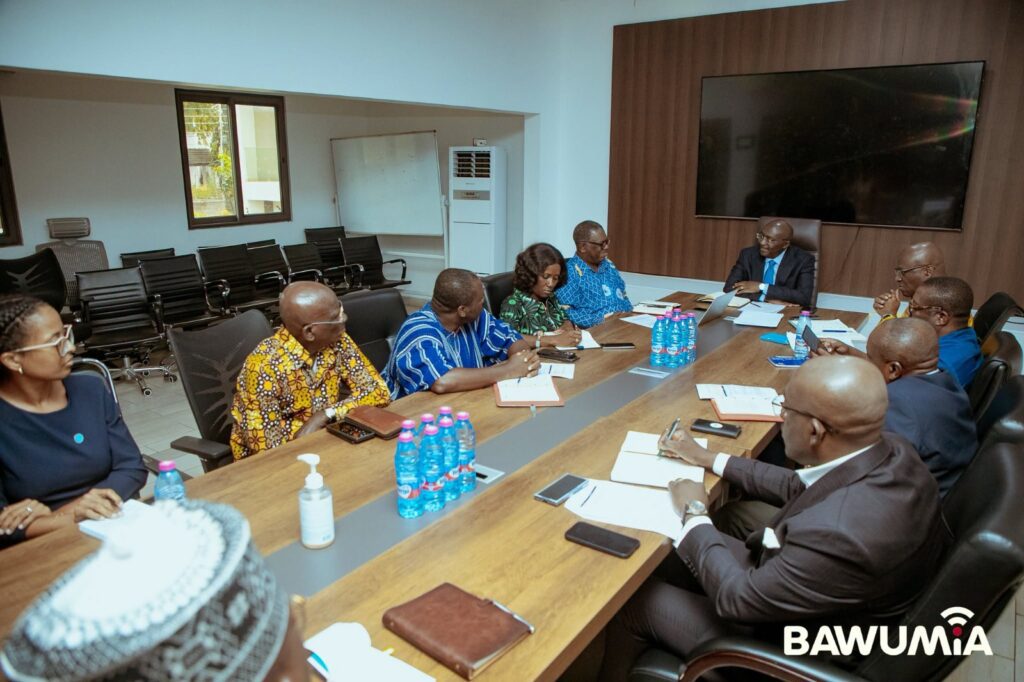
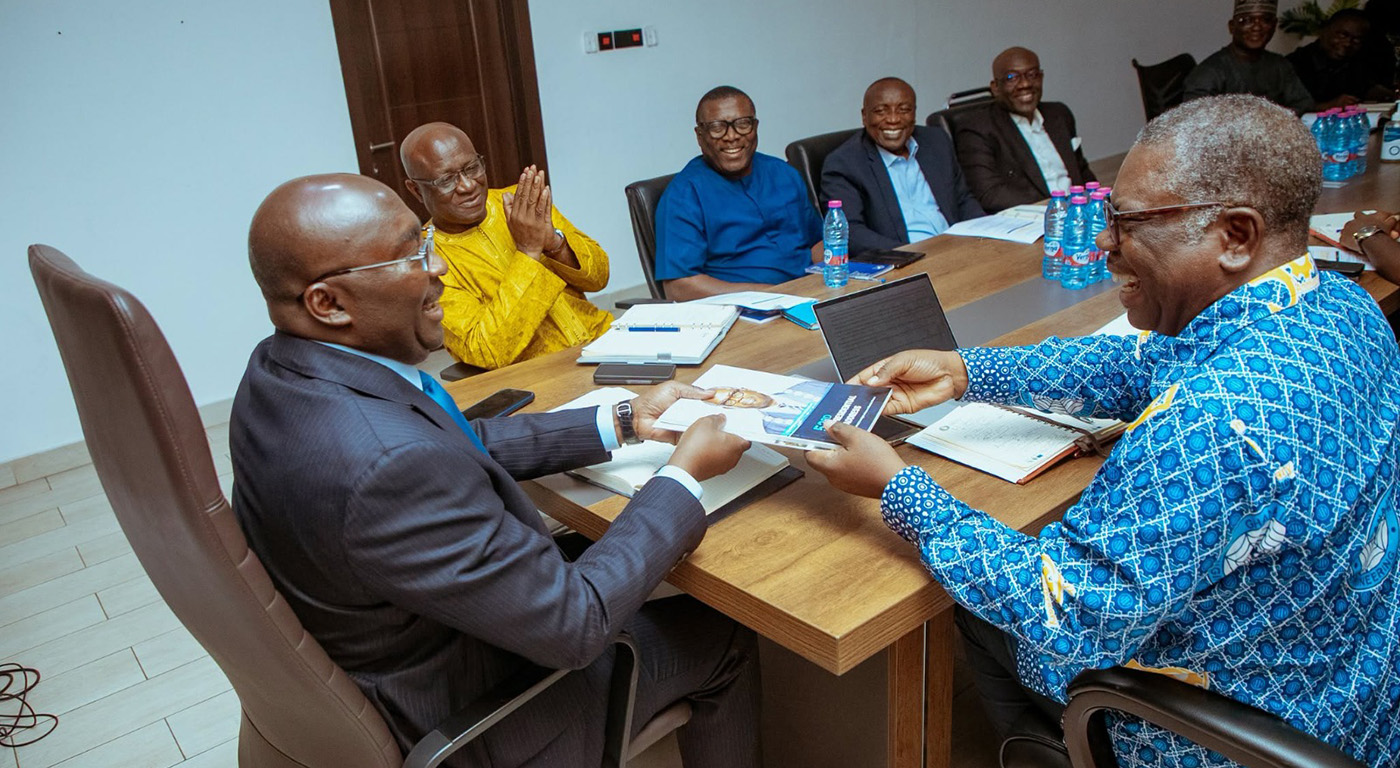
As part of the engagement process, GhIE on Wednesday August 19, 2026, met with former Vice President Dr Mahamudu Bawumia in Accra to discuss the findings of the Report Card and their implications for infrastructure development and national policy.
The Institution presented key findings of the assessment and outlined measures it considers necessary to strengthen infrastructure planning, investment, delivery, maintenance and long-term asset management.
A key issue raised was the need for full implementation of the Public Financial Management (Public Investment Management) Regulations, 2020 (L.I. 2411).
GhIE said public infrastructure projects should undergo the prescribed pre-feasibility and feasibility assessments before being considered for inclusion in the Public Investment Plan, with investment decisions informed by full life-cycle costs and adequate provisions for operations and maintenance.
The Institution also called for greater emphasis on infrastructure maintenance and asset preservation, saying inadequate maintenance often results in higher rehabilitation costs and shortens the useful life of public assets.
On urban development, GhIE highlighted the need for a coordinated framework for managing rapidly growing metropolitan areas.
It called for greater integration of spatial planning, transportation, flood management, water and power infrastructure, financing, sustainability and resilience in metropolitan governance.
The discussions also covered occupational health and safety and the need for improved coordination in urban transportation and infrastructure delivery.
Dr Bawumia emphasised the importance of engineers, scientists and technologists playing a greater role in national leadership and decision-making. He cited the contribution of technical professionals to development in countries such as China.
The engagement with Dr Bawumia forms part of a broader stakeholder consultation by GhIE following the launch of the 2026 GIRC. The Institution is engaging political leaders, policymakers, professional bodies, industry and other stakeholders on the Report Card’s findings and recommendations.
GhIE said the consultations were aimed at promoting informed dialogue and building broad consensus on Ghana’s infrastructure priorities.
The Institution reaffirmed its commitment to providing independent professional and technical advice to government, political parties and other stakeholders to support evidence-based infrastructure policy and sustainable national development.
The GhIE delegation was led by its President, Ing Ludwig Annang Hesse, and included Vice President Ing Patrick Amoah Bekoe, President-Elect Ing Sophia Tijani, Council Member Mr. Philip Aheto, and Director of Professional Practice Ing Leonora Otu-Boateng.
The Institution said the stakeholder engagements would continue to ensure that the findings and recommendations of the 2026 GIRC contribute meaningfully to national discussions on infrastructure priorities, investment and long-term development.