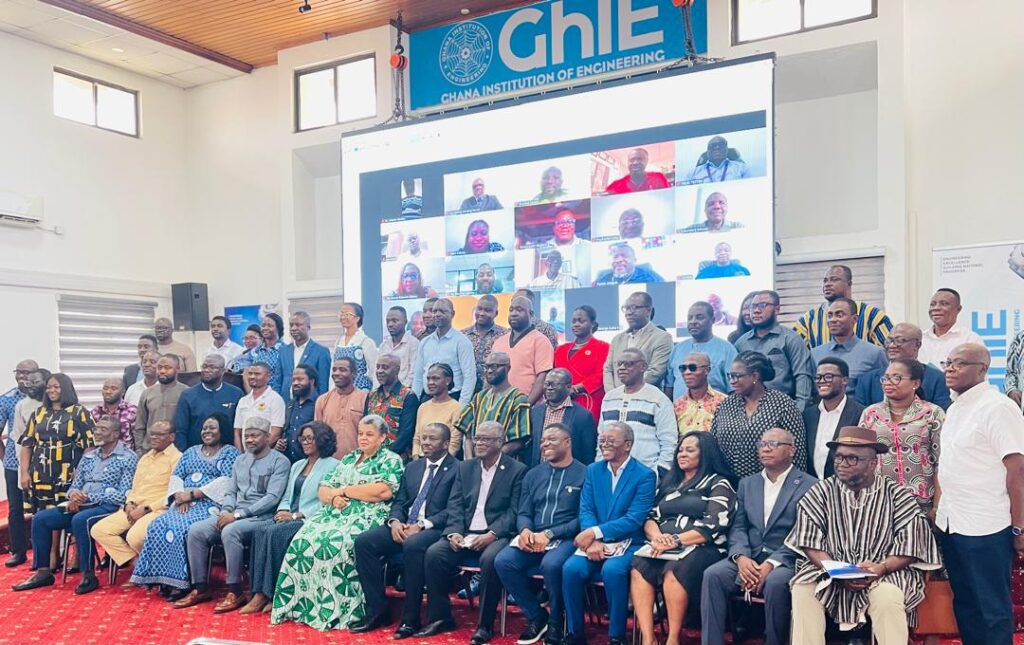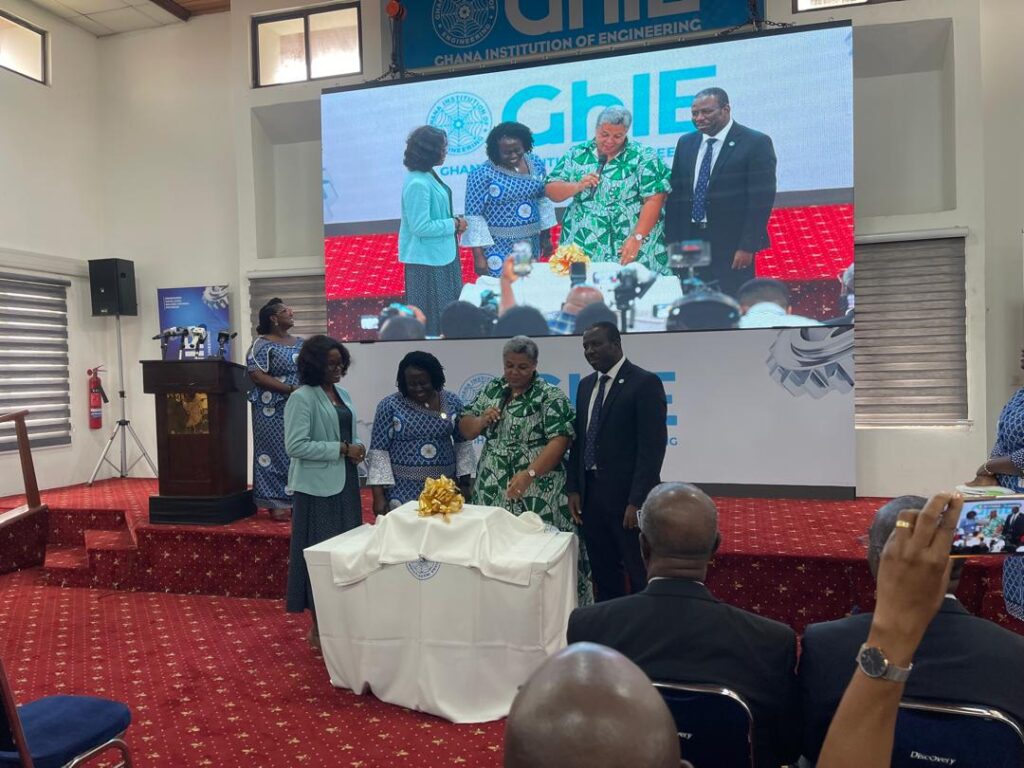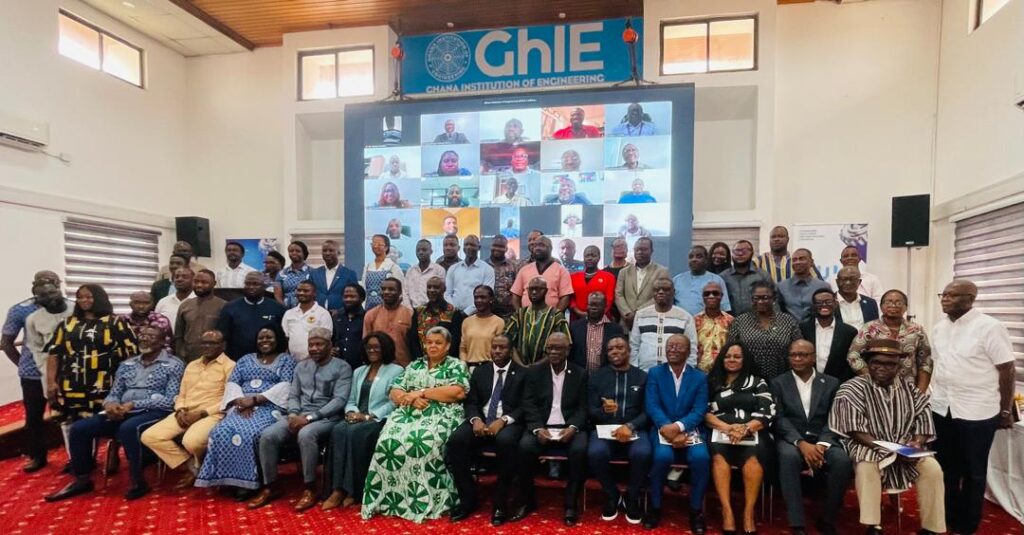

Accra, Ghana – The Ghana Institution of Engineering (GhIE) has officially launched the Ghana Infrastructure Report Card (GIRC) 2026, an independent engineering assessment that evaluates the condition and performance of Ghana’s critical infrastructure while providing evidence-based recommendations to guide national planning, investment and policy decisions.
The report assigns Ghana an overall infrastructure score of 57 per cent (Grade D3), indicating that although investments have been made over the past decade, the country’s overall infrastructure performance has remained largely unchanged. According to the report, inadequate funding, weak asset management and a poor maintenance culture continue to undermine infrastructure development across several sectors.
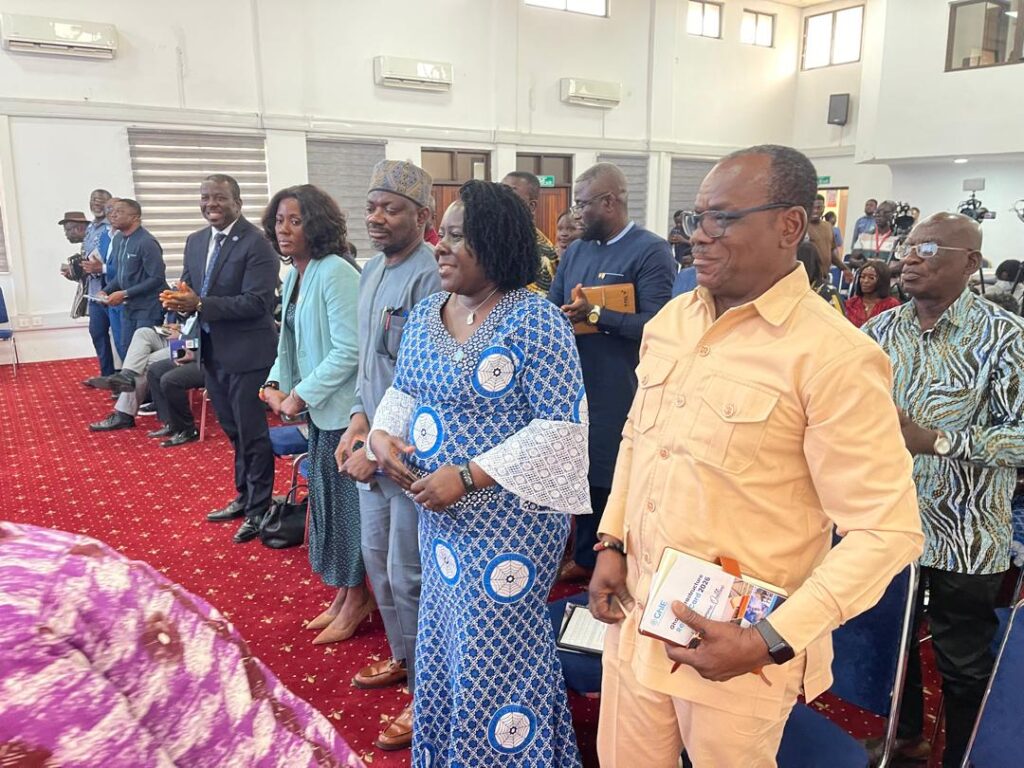
Launching the report in Accra, President of the Ghana Institution of Engineering, Ing Ludwig Annang Hesse, described the Infrastructure Report Card as a strategic public accountability tool that provides an objective assessment of national infrastructure to support informed decision-making by government, Parliament, investors and development partners.
He noted that the report is intended to encourage greater accountability, promote evidence-based policymaking and stimulate sustainable investment in infrastructure that supports Ghana’s long-term socio-economic development.
Chairman of the Technical Committee and GhIE Vice-President, Ing Dr. Patrick Amoah Bekoe, said the assessment was developed using data collected from ministries, departments and agencies between 2017 and 2025, complemented by responses from more than 900 engineers, infrastructure professionals and members of the public across all sixteen regions of Ghana. He explained that the report assessed eight sectors using internationally accepted engineering criteria, including capacity, condition, funding, operation and maintenance, resilience, public safety and innovation.
The assessment identifies aviation as Ghana’s best-performing infrastructure sector, earning a C3 (71%) rating, while the electric power sector improved from D2 to D1 (66%) due to increased generation capacity and improved maintenance practices. Telecommunications also recorded a D1 (64%) rating in its first appearance in the Report Card.
However, the report highlights serious concerns in other sectors. The road sector recorded the sharpest decline, dropping from D3 to E1 (50%), while health and railway infrastructure also received E1 ratings, reflecting significant infrastructure deficits. The report further notes that Ghana currently produces only about 55 per cent of its daily water demand, leaving approximately 3.7 million people without access to basic water services, while education infrastructure continues to lag behind rising enrolment.
To address these challenges, GhIE recommends sustainable infrastructure financing, stronger maintenance and asset management systems, and the establishment of a National Infrastructure Council to coordinate long-term planning and investment.
The Minister for Works, Housing and Water Resources, Hon. Kenneth Gilbert Adjei, whose speech was delivered by Deputy Minister Hon. Gizella Tetteh Agbotui, welcomed the report as an important evidence-based tool for strengthening accountability and guiding infrastructure investment.
GhIE announced that the Ghana Infrastructure Report Card will be published every three years to monitor progress, track implementation of recommendations and support continuous improvement in Ghana’s infrastructure development.