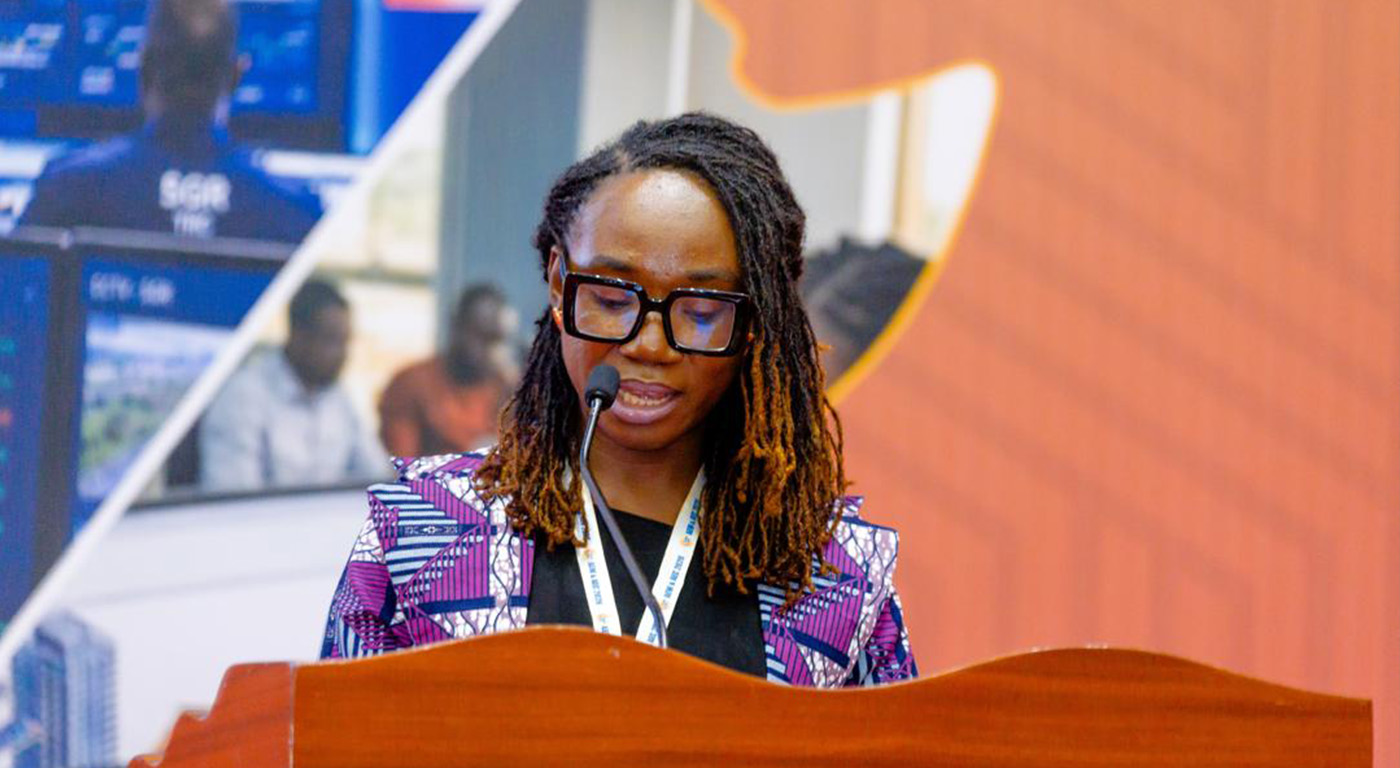

African cities have been urged to move from reactive infrastructure management to proactive, data-driven approaches to improve resilience, sustainability and the efficiency of urban systems.
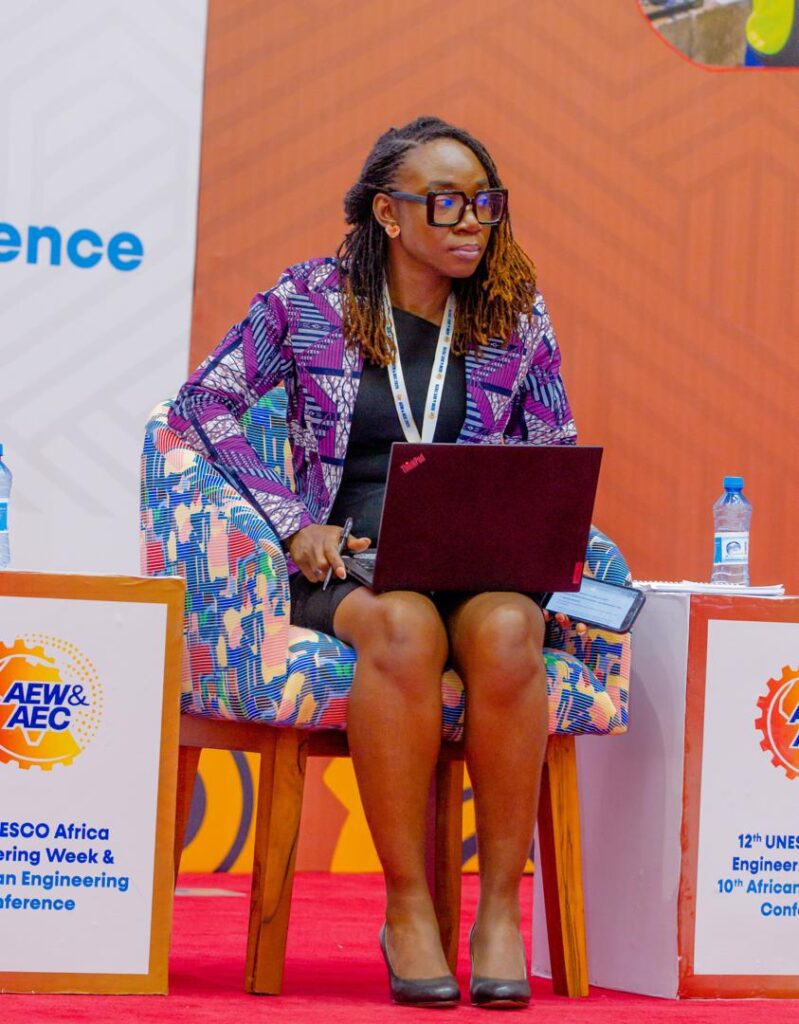
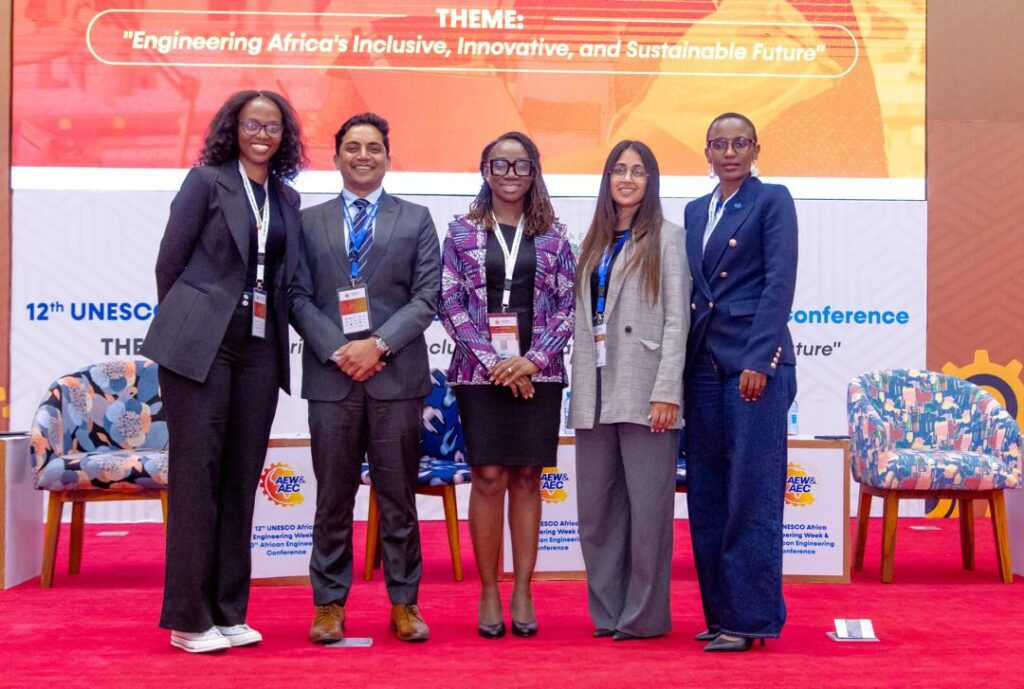
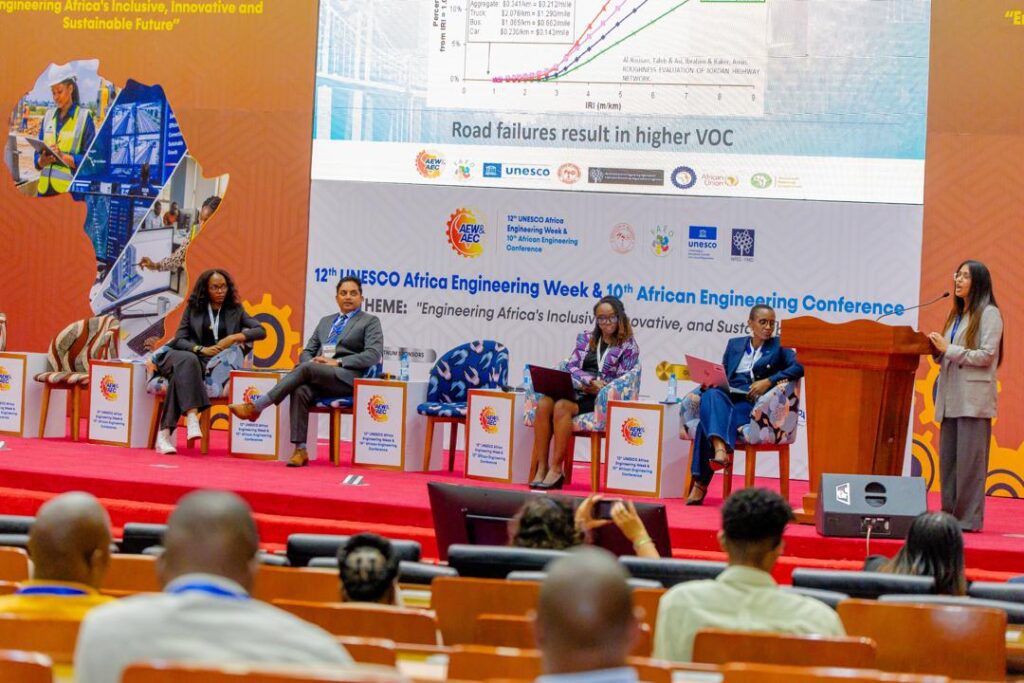
The call was made during a technical session on “Climate-Resilient Infrastructure & Sustainable Cities” at the 12th UNESCO Africa Engineering Week and 10th African Engineering Conference, held on Wednesday, September 16, 2026.
The session, co-chaired by Ing Sylvia Sampong Ekremet of Ghana and Eng. Keneilwe Thejane of South Africa, examined approaches to road infrastructure management, sustainable construction materials and urban mobility.
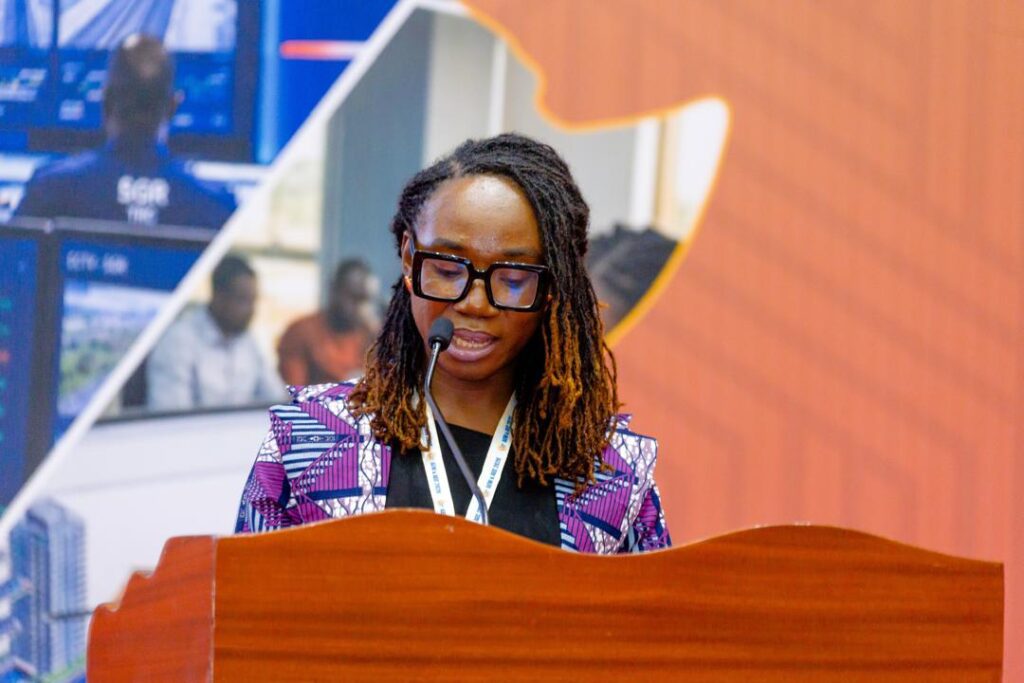
Kaslyn Naidoo, a Civil Engineering Technologist from South Africa, presented an approach to pavement-condition assessment that combines functional and structural data with technologies such as Ground Penetrating Radar (GPR) and automated image analysis.
The approach can help identify deterioration that may not be visible through conventional inspections, allowing road agencies to detect problems earlier and better target maintenance and rehabilitation.
The presentation prompted discussions on the need for infrastructure agencies to adopt proactive, data-driven asset management, supported by reliable information and modern inspection technologies.
The session also explored the use of recycled construction materials as a means of reducing pressure on natural resources.
Neema Stephen Kahabi, a civil engineer from Tanzania, presented research on the partial replacement of natural fine aggregates with recycled concrete fine aggregates at zero, 25 and 50 per cent replacement levels.
The study reported generally favourable strength and durability performance under the conditions tested, with the 25 per cent replacement level identified as particularly promising.
Participants, however, said wider adoption of recycled materials would require attention to material availability, professional acceptance, appropriate standards, credible laboratory evidence and locally relevant technical guidance.
Urban mobility also featured prominently, with Avi Menon, a Chartered Civil Engineer and Professional Town Planner from South Africa, presenting a multimodal transport planning approach for Kinshasa aimed at addressing congestion and improving connectivity.
The approach incorporated road-network improvements, formal ferry services, integrated transport systems and future-demand planning.
During the question-and-answer session, participants raised concerns about the affordability of proposed ferry services, particularly for lower-income passengers. They also highlighted the need for effective coordination among municipalities, metropolitan authorities, national government, security agencies and transport operators.
The session concluded that climate-resilient infrastructure required more than technical innovation, with effective governance, sustainable resource management, reliable data, integrated planning and continuous adaptation identified as important elements.
The discussions reinforced the need for African cities to make informed infrastructure decisions before challenges become crises and to ensure that solutions remain sustainable, inclusive and responsive to local conditions.
The session further highlighted the role of engineers and built-environment professionals in developing resilient, sustainable and future-ready African cities.