
Engineering Experts at UNESCO Africa Engineering Week call for stronger industry–academia partnerships, practical training and regional mobility
African countries have been urged to strengthen collaboration among industry, academia, professional bodies and regulators to develop an engineering workforce capable of driving inclusive, innovative and sustainable development across the continent.
The call was made during a high-level panel discussion at the 12th UNESCO Africa Engineering Week and 10th African Engineering Conference in Dar es Salaam, Tanzania from September 13 -17, 2026.
The panel, held on the theme “Engineering Africa’s Inclusive, Innovative, and Sustainable Future,” examined critical issues including professional practice, regional mobility, curriculum reform, accreditation, engineering skills, research commercialisation and innovation ecosystems.
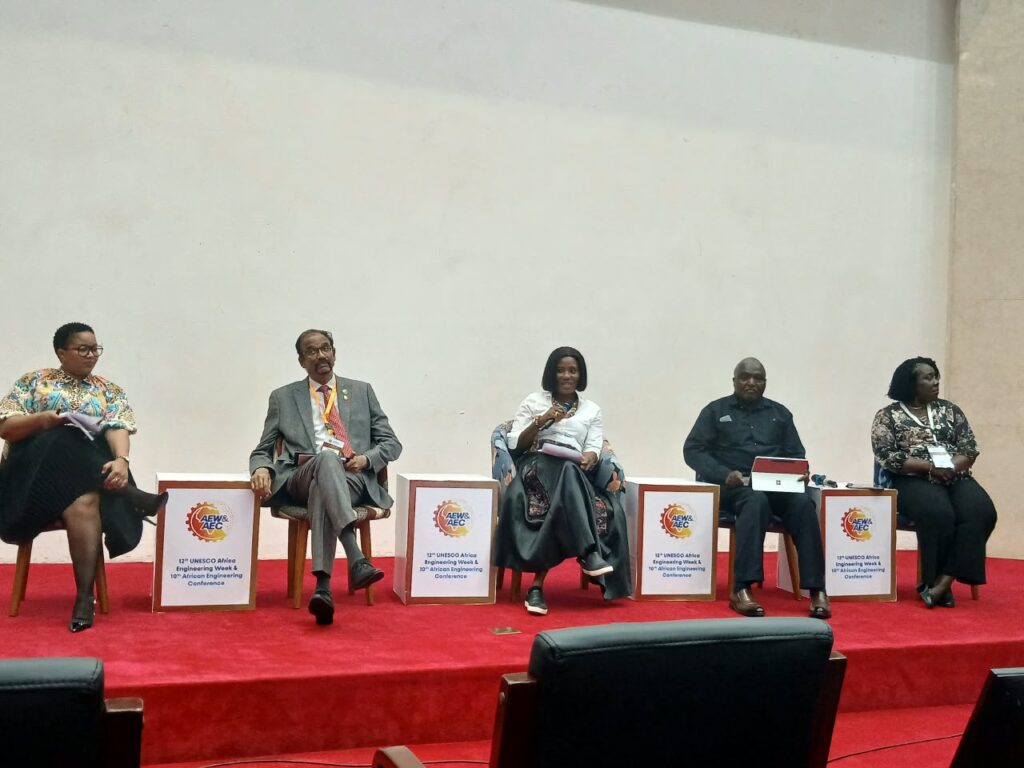
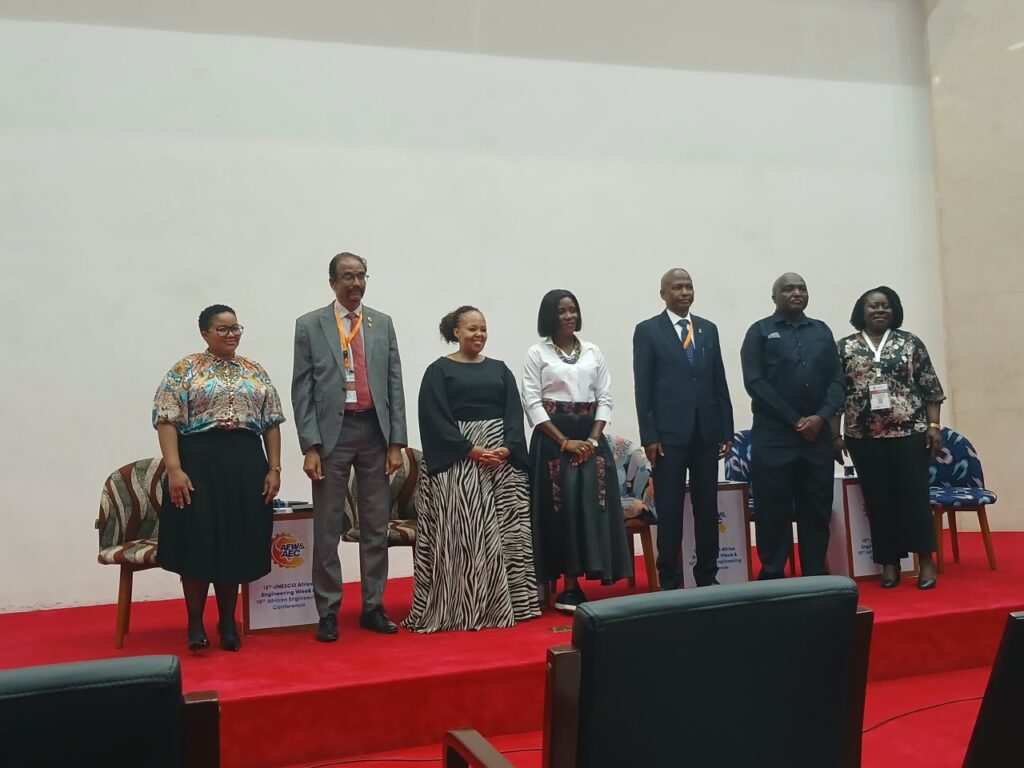
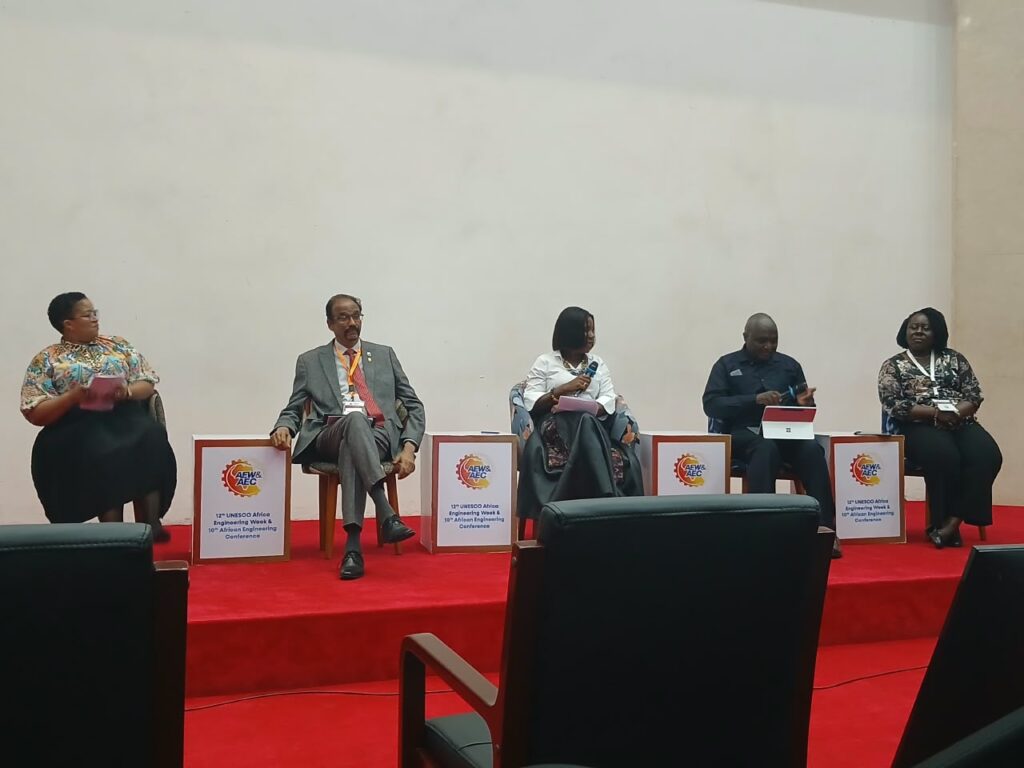
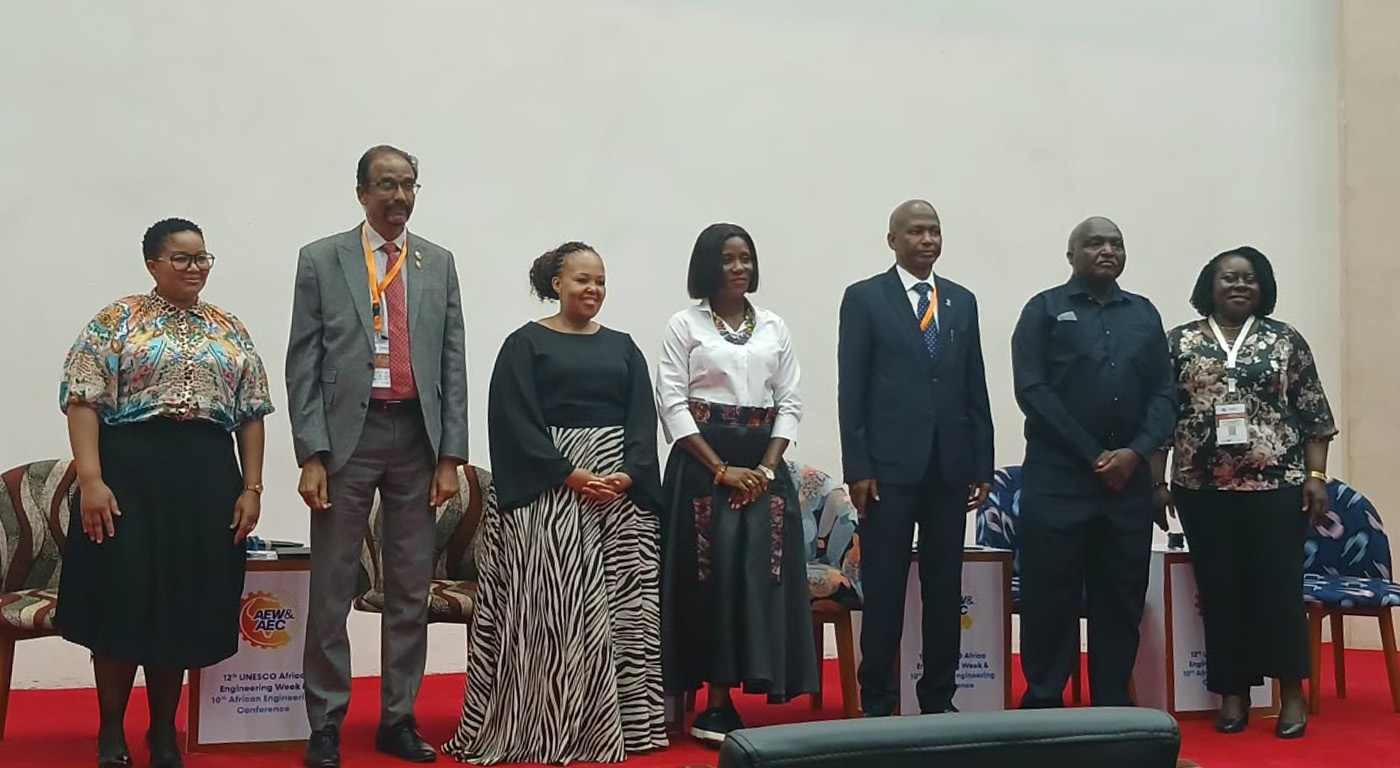
Moderated by Ing Sophia A. Tijani of Ghana, the panel featured Prof. Eng. Zakaria Katambara and Eng. Rizwani Qadri of Tanzania, Eng. Tshiama Nthebolang of South Africa, and Ing Dr. Enonyam Kpekpena of Ghana.
A key concern raised during the discussion was the gap between engineering education and the practical demands of the workplace.
The panellists called for greater opportunities for students to undertake practical training and industry attachments before completing their studies, noting that employers increasingly require competencies in areas such as safety engineering, data engineering and digital technologies.
They also stressed that industry exposure should not be limited to students. Academic staff, they said, should undertake industry attachments to remain abreast of emerging technologies, professional practices and workplace challenges, enabling them to bring relevant practical knowledge into the classroom.
The panel further called for stronger pathways to move research from universities into industry for practical application and commercialisation.
Universities were encouraged to work closely with industry to identify real-world challenges that could inform research, while companies could benefit from academic expertise and innovative solutions.
The discussion emphasised the need to move beyond dialogue towards practical implementation, with stronger mechanisms for turning research and engineering knowledge into products, services and solutions.
Industry participation in curriculum development and university governance was also highlighted as a means of ensuring that engineering programmes remain responsive to changing industry requirements.
Government was identified as an important partner in strengthening the transition from education to employment.
The panellists called for policies and incentives that would encourage companies to train young engineers and provide meaningful workplace experience.
They noted that appropriate government support could help address the cost associated with training graduates and encourage more companies to participate in professional skills development.
Regional mobility was another major issue discussed.
With Africa pursuing greater economic integration, the panellists called for a common continental framework for engineering qualifications and professional recognition.
Such a framework, they said, could facilitate the movement of engineers across African countries while maintaining professional standards and protecting public interest.
Professional engineering institutions and regulators were urged to strengthen cooperation in developing mechanisms that would make engineering competencies more portable across national borders.
The panellists also underscored the importance of mentorship in preparing young engineers for a rapidly changing professional environment.
Experienced practitioners were encouraged to support emerging engineers in areas including digital competence, communication, ethical practice and professional development.
Professional bodies, meanwhile, were urged to strengthen their role as a bridge connecting industry, academia, regulators and engineering practitioners.
Closing the session, Ing. Tijani noted that modernising engineering curricula could not be achieved by academia alone.
She highlighted the need for stronger partnerships, practical attachments for students and lecturers, access to modern training equipment and appropriate standards for benchmarking engineering education. The discussions reinforced a central message from the conference: Africa’s engineering future will depend not only on producing more engineers, but on equipping them with practical skills, connecting them across borders and creating the partnerships needed to transform knowledge into solutions.