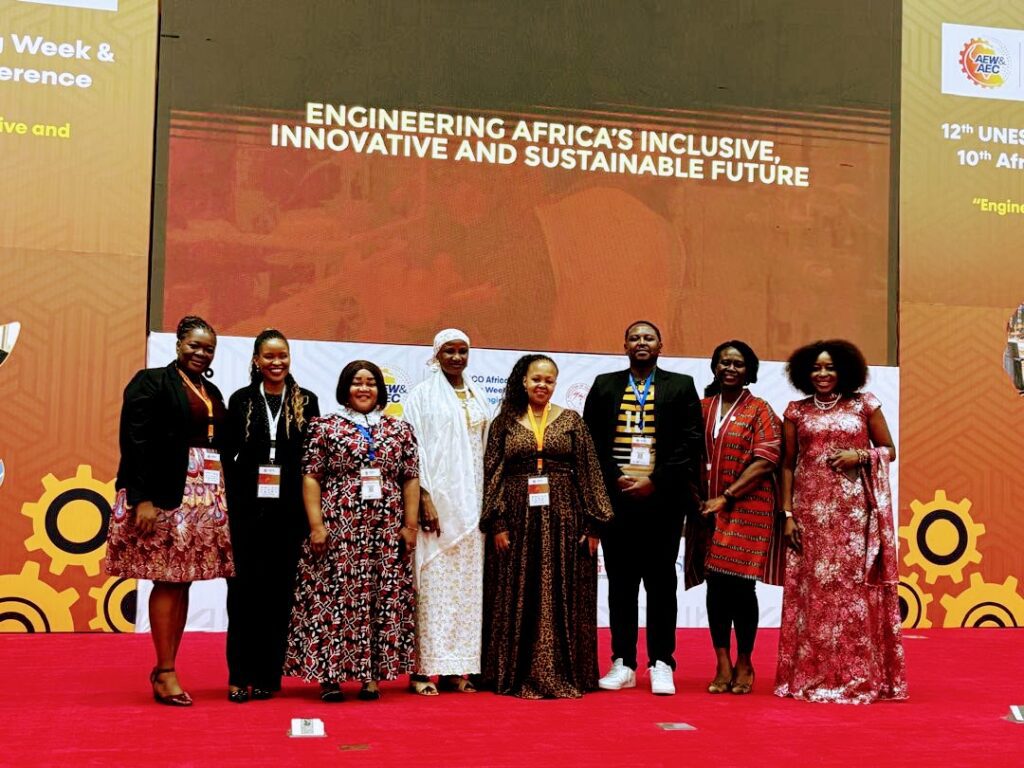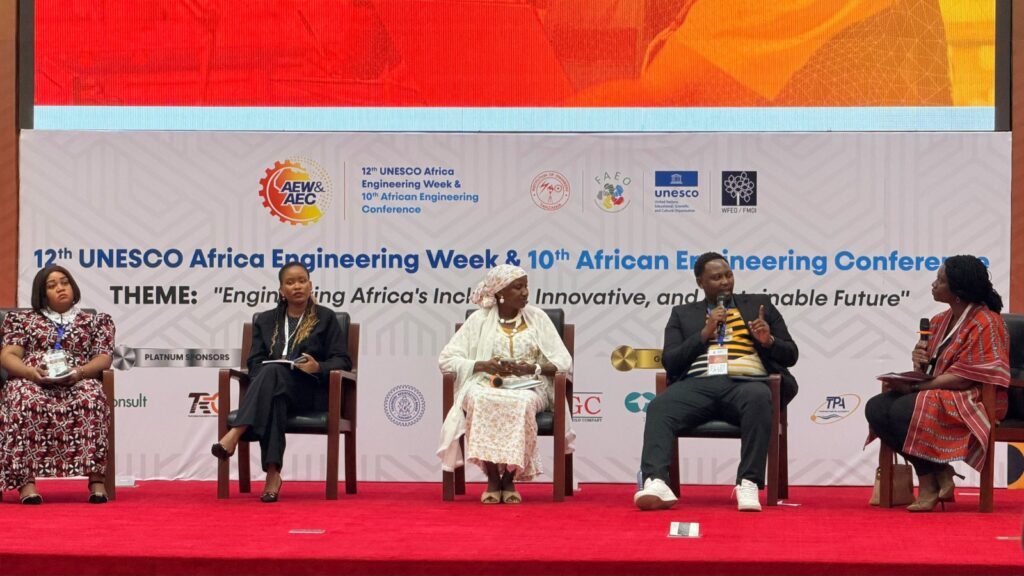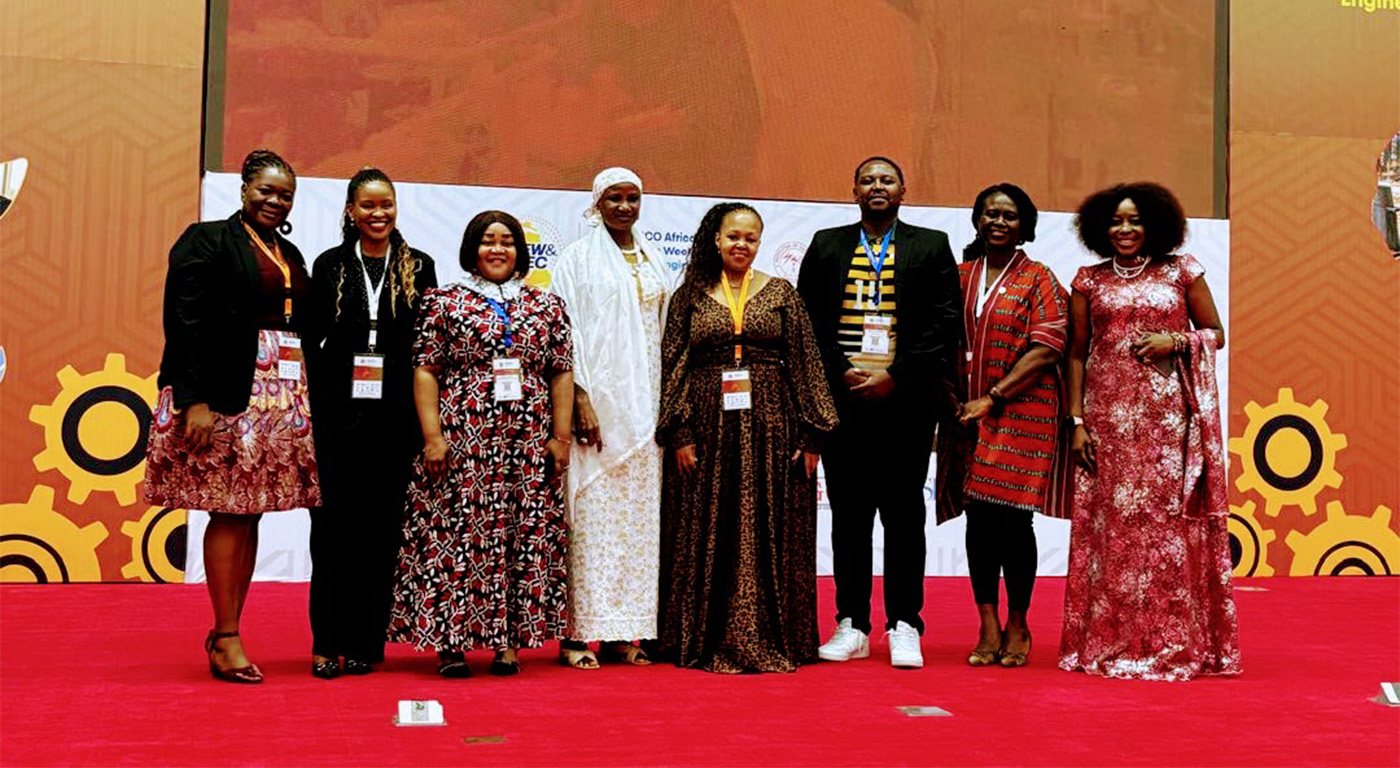

GhIE’s Ing Juliet Mawunyo Gbormittah moderates continental discussion on mentorship, sponsorship and institutional reforms.
African engineering leaders have called for greater representation of women in decision-making positions, improved working conditions and stronger institutional accountability to bridge the gender gap in the engineering profession.
They said mentorship and leadership training must be complemented by opportunities for women to lead major projects, influence policy and advance into senior management.
The call was made at the Ninth African Women Engineers Forum, held during the 12th UNESCO Africa Engineering Week and 10th African Engineering Conference in Dar es Salaam, Tanzania on September 14, 2026.
The forum, held on the theme, “Inclusive Engineering Leadership: Empowering Women in Engineering to Drive Africa’s Sustainable Future,” examined barriers to women’s professional advancement and measures to improve their participation.
Ing Juliet Mawunyo Gbormittah,Director of Membership Services, Ghana Institution of Engineering (GhIE), and member of the Federation of African Engineering Organisations (FAEO) Events and Marketing Committee moderated the panel discussion on “Closing the Leadership and Gender Gap: Mentorship, Policies and Opportunities.”
Dr Eng Jacqueline M. Masaki, a transportation engineer at the University of Dar es Salaam, said limited female representation in decision-making affected the consideration of vulnerable road users in infrastructure design.
She observed that road designs in Tanzania did not adequately address the needs of children and persons with disabilities, stressing that women’s participation could contribute to more inclusive transport planning.
Dr Masaki urged engineering institutions to prioritise decision-making opportunities for women rather than providing additional leadership training without corresponding responsibilities.
Engr Dr Aishatu Aliyu Umar, Deputy General Manager at Nigeria’s Federal Housing Authority, encouraged women engineers to demonstrate determination, define their professional goals and pursue leadership opportunities.
She said institutional policies must be supported by organisational cultures that enabled women to assume leadership positions and influence policy implementation.
Mr Kgomotso Setlhapelo, representing Eng Tumelo Gopane of South Africa, advocated deliberate sponsorship, including nominating women for leadership positions and providing opportunities to manage major projects.
He also called for procurement opportunities for women-owned engineering enterprises and greater female representation on corporate boards.
Drawing on telecommunications field experience, he identified inadequate sanitation facilities and unsuitable protective equipment at remote sites as barriers to women’s participation and retention.
Eng Edith M. Munungwe, Principal Telecommunications Engineer at Zambia’s FibreCom Ltd, distinguished mentorship from sponsorship, explaining that mentors provided professional guidance while sponsors used their institutional influence to secure career opportunities.
She highlighted Zambia’s structured mentorship programme as an example of supporting women’s professional development.
The panellists recommended measurable institutional targets, stronger accountability mechanisms and systematic collection of data tracking women’s careers from entry through retention and advancement.
In closing, Ing Gbormittah challenged the panellists to consider what progress towards gender equality in engineering should look like over the next decade.
They agreed that progress should be measured by women’s representation in decision-making, leadership of major projects and ownership of engineering enterprises, rather than participation in training alone.
The forum underscored the need to remove unnecessary barriers while maintaining professional competence and merit, enabling women engineers to contribute fully to Africa’s sustainable development.