Road Sector Engineers Recommit to Shaping Ghana’s Future
05Jan’26

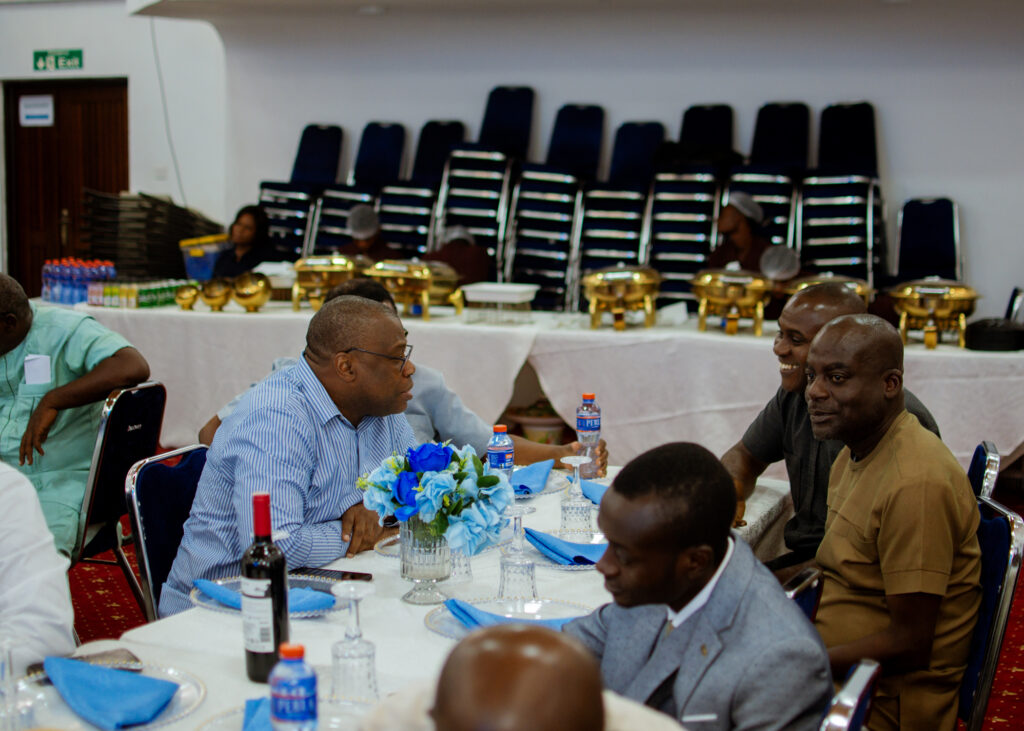
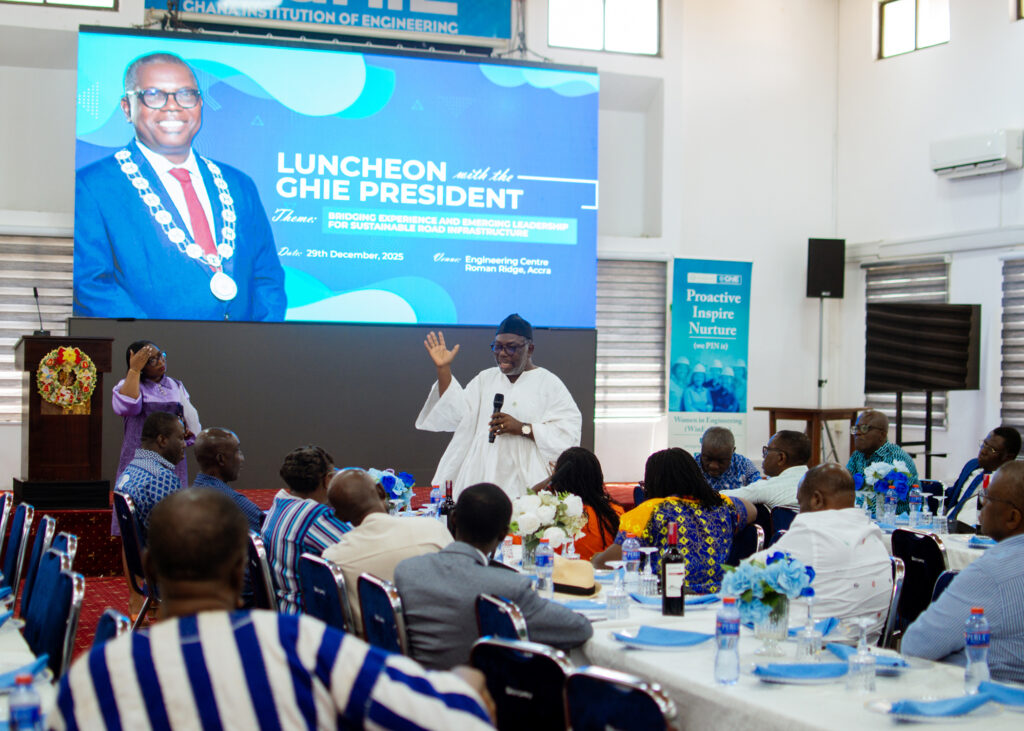
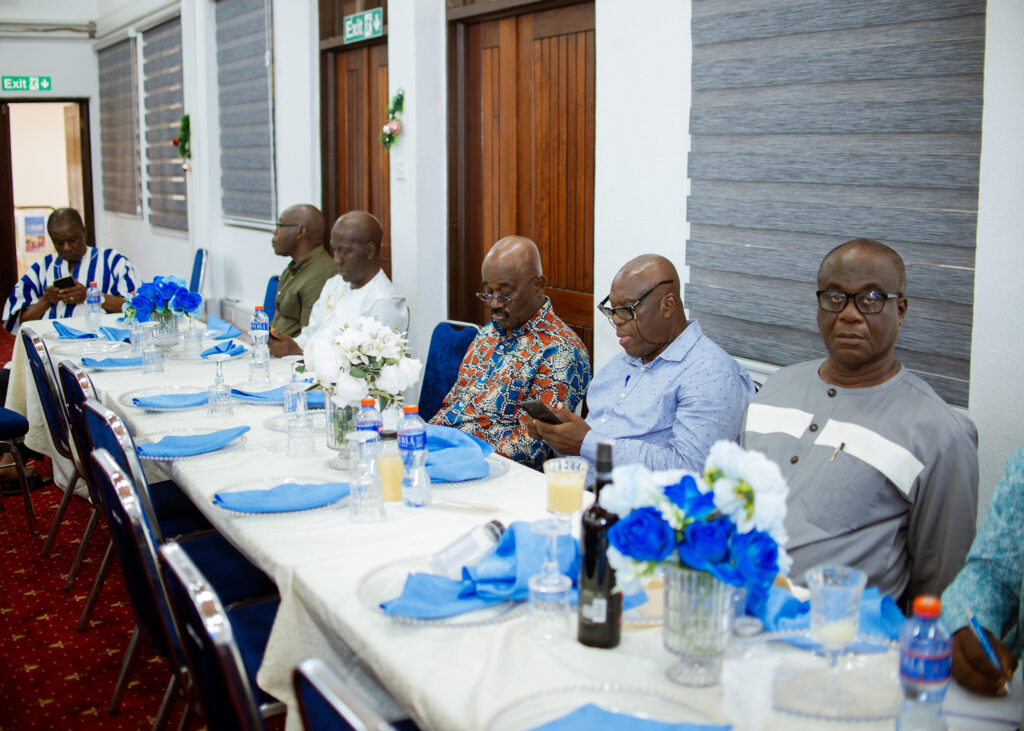
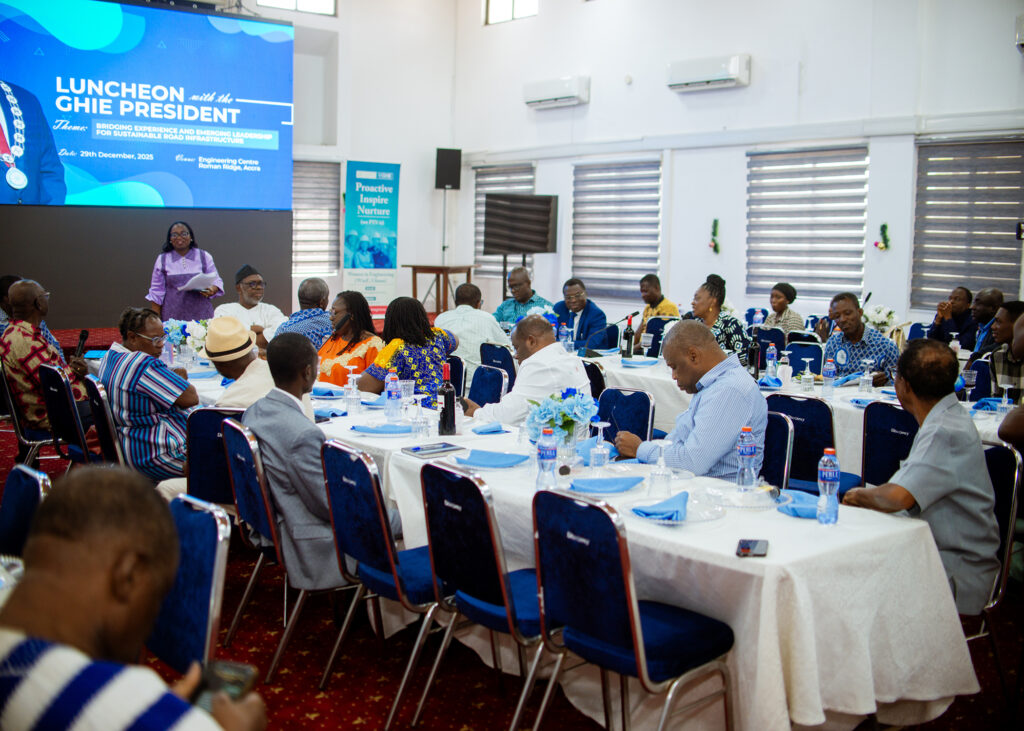
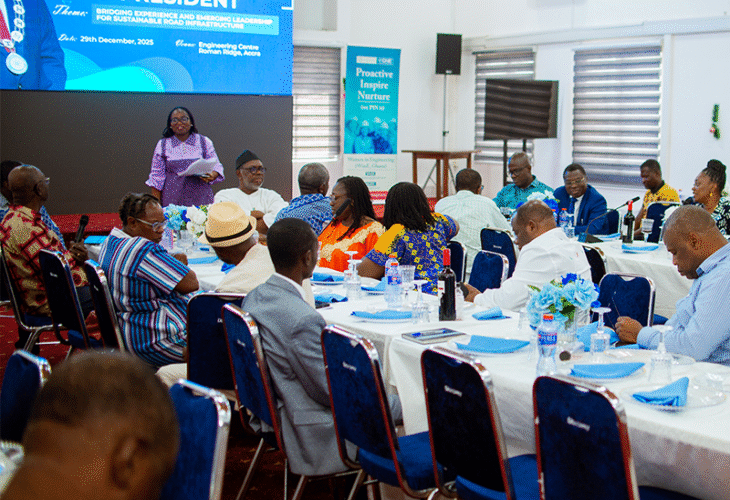
Road sector engineers and executives from across the country gathered at the Engineering Centre in Accra for a special luncheon with the President of the Ghana Institution of Engineering (GhIE). The meeting became more than a reunion it was a moment of collective reflection, renewed purpose, and recommitment to shaping the future of Ghana’s road sector and national development.
The gathering brought together professionals from across generations and institutions to reconnect, share experiences from the past and present, and explore how engineers can play a stronger role in influencing policy, governance, and long-term planning for infrastructure in Ghana.
Addressing participants, the President of GhIE, Ing. Ludwig Annang Hesse, F-GhIE, challenged engineers to expand their understanding of their role in society.
“Engineering is not only about designing and building structures,” he noted, “it is also about working deliberately to bring about positive change. In engineering our future, we must concern ourselves not only with infrastructure, but also with the governance, financial, and ethical systems that allow those structures to truly serve society.”
He emphasised that engineers must be present at decision-making tables to help design and implement systems that support transparency, accountability, and long-term value.
“When governance frameworks are sound and effective,” he added, “the roads and systems we build will not only last longer, but will truly improve lives.”
Participants engaged in wide-ranging discussions on policy and institutional arrangements in the road sector, the performance of existing agencies, and how engineers can more effectively influence reforms that promote efficiency, accountability, and sustainable development in line with Ghana’s long-term vision.
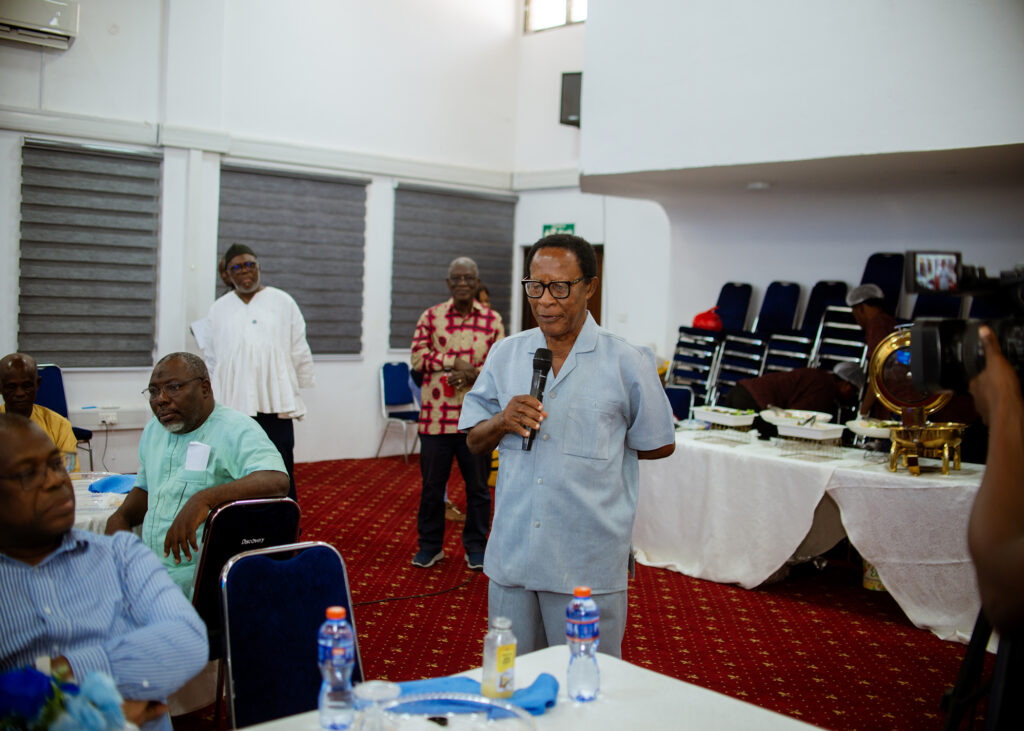
Former Chief Executive Officer of the Ghana Highway Authority, Ing. Christian Nti, encouraged participants to actively contribute their experience and insights to shaping the future.
“The road sector, for which we have toiled so much, holds enormous promise for Ghana’s development,” he said. “If we reflect honestly, plan thoughtfully, and act collectively, we can make that promise a reality.”
Adding his voice, Dr. Frederick Yaw Addo-Abedi, F-GhIE, a Civil Engineer, stressed that roads are central to Ghana’s socio-economic development and must be treated as a national priority.
He called for stronger emphasis on routine and periodic maintenance, an end to ad-hoc development practices, and improved project management across the sector.
“We must prioritise maintenance, avoid ad-hoc interventions, and strengthen project management in the road sector if we want sustainable and reliable infrastructure,” he said.
The luncheon ended on a warm and reflective note, with participants agreeing that while technical excellence remains essential, the future of Ghana’s roads also depends on leadership, collaboration, ethical practice, and the willingness of engineers to engage beyond the drawing board.
Together, the engineers reaffirmed a shared commitment: to not only build roads, but to help build the systems, institutions, and relationships that will carry Ghana forward.