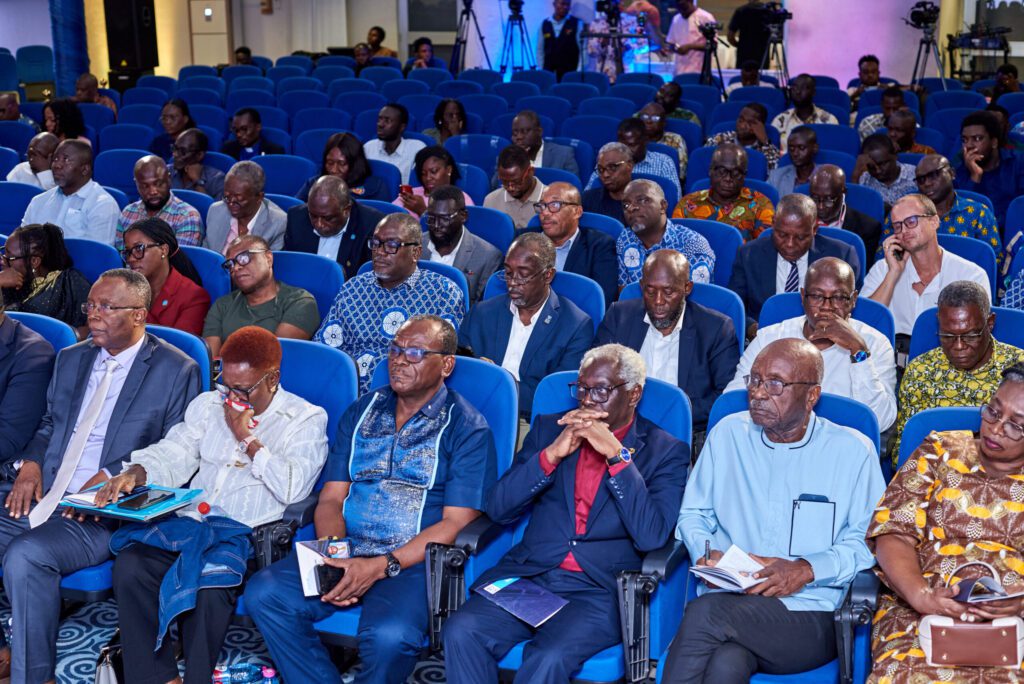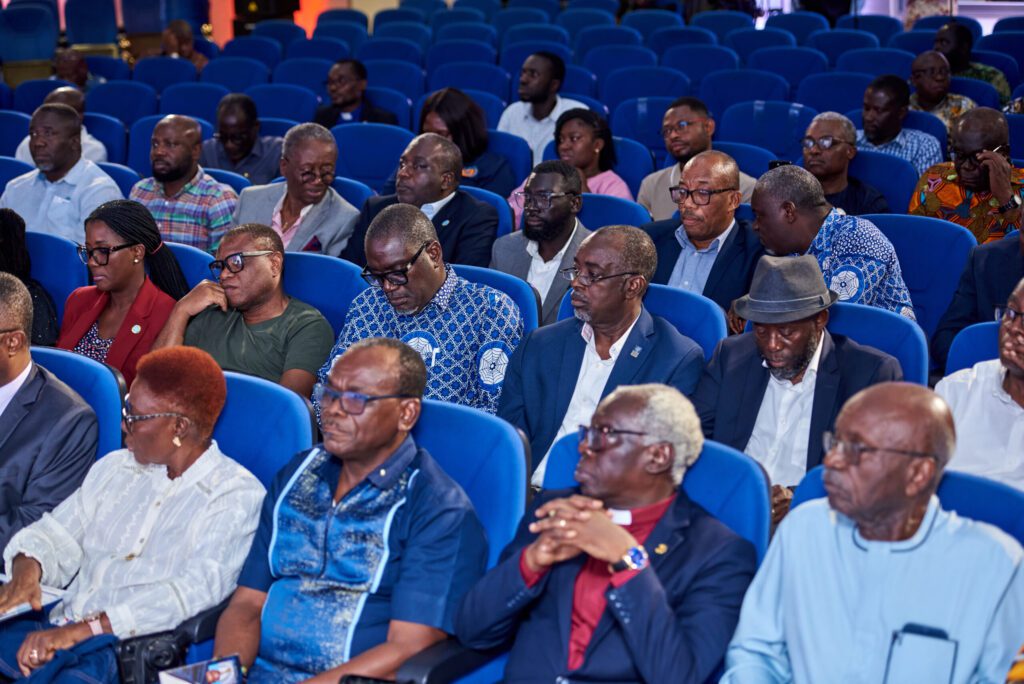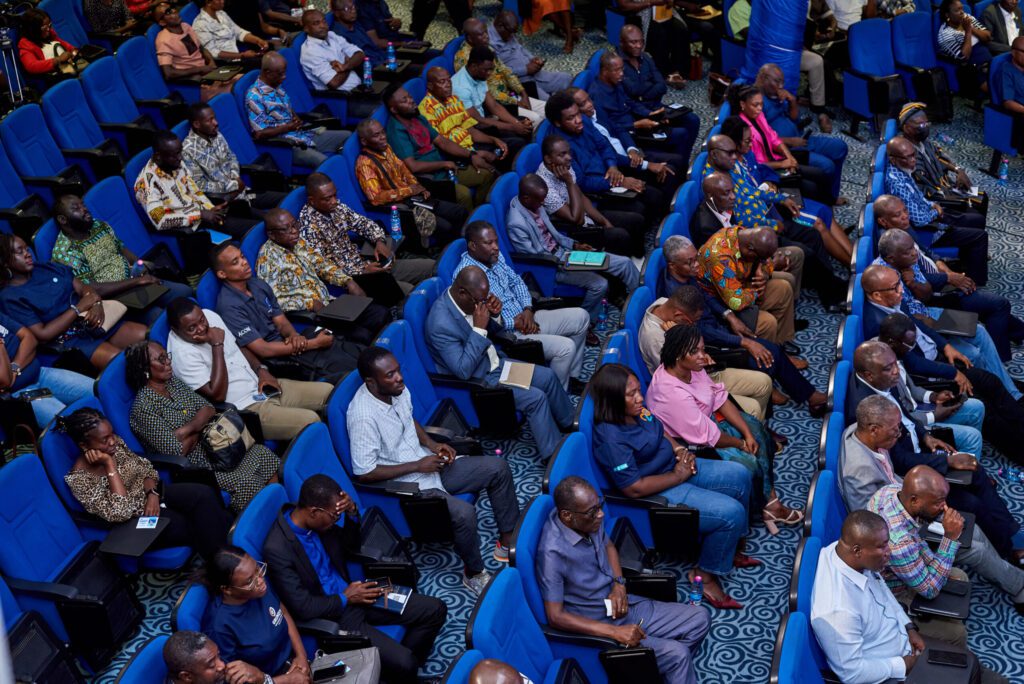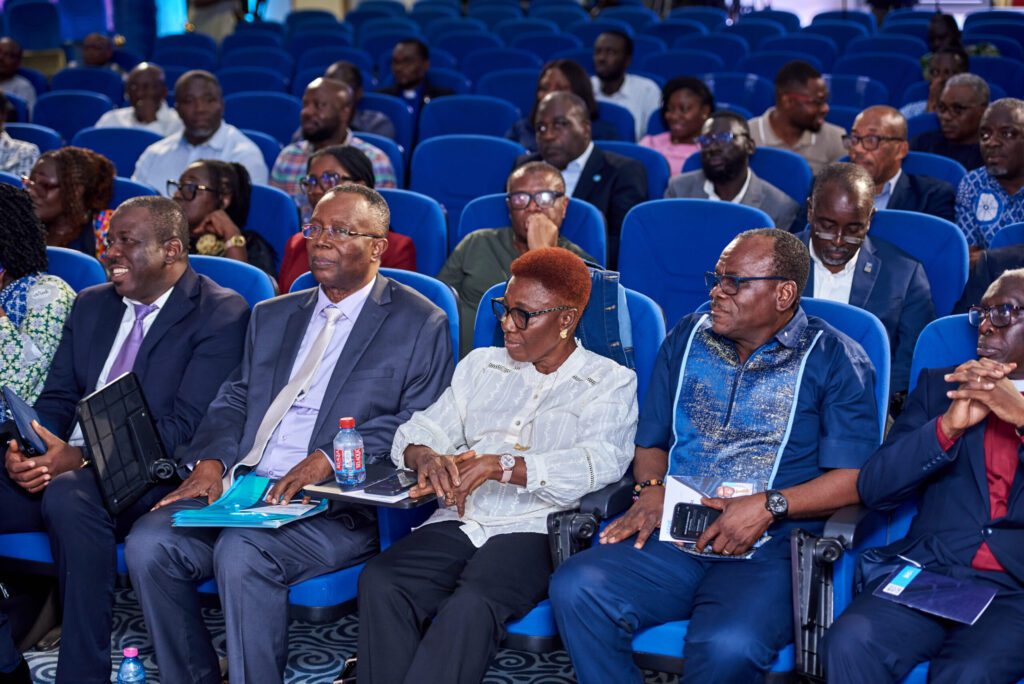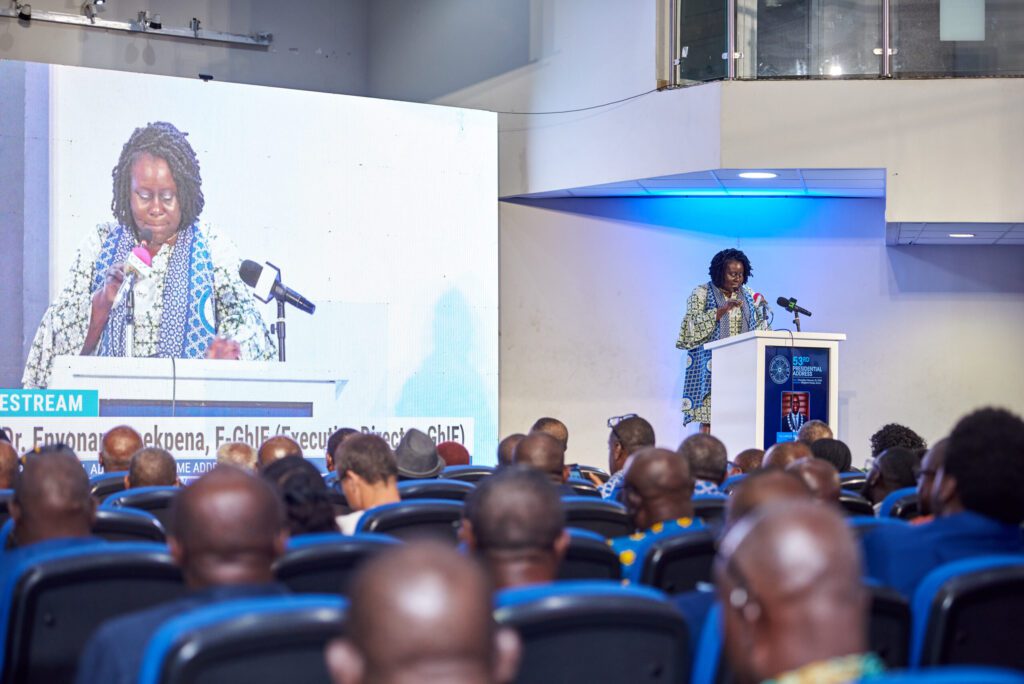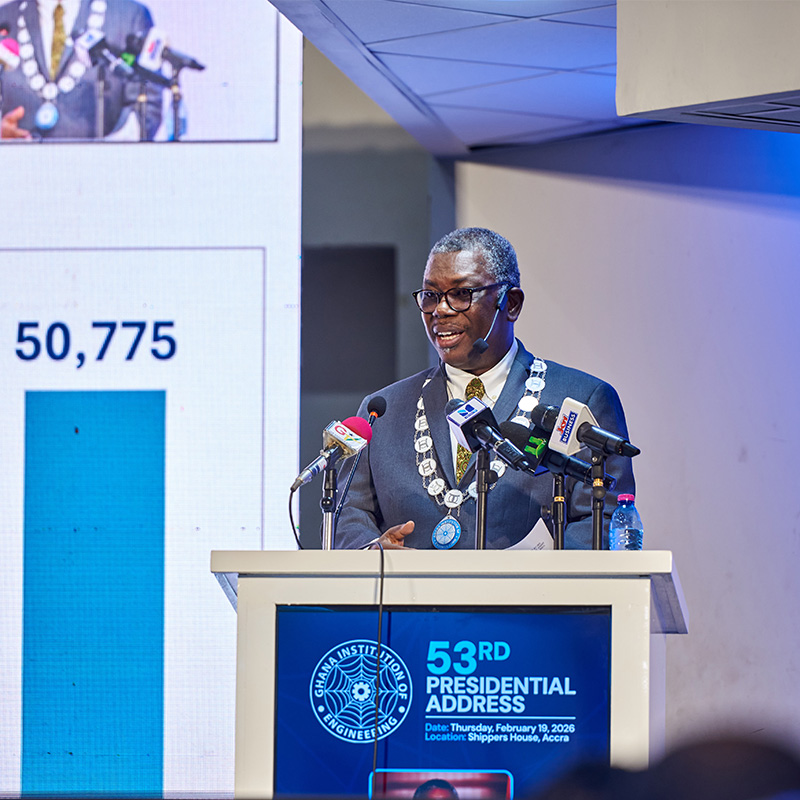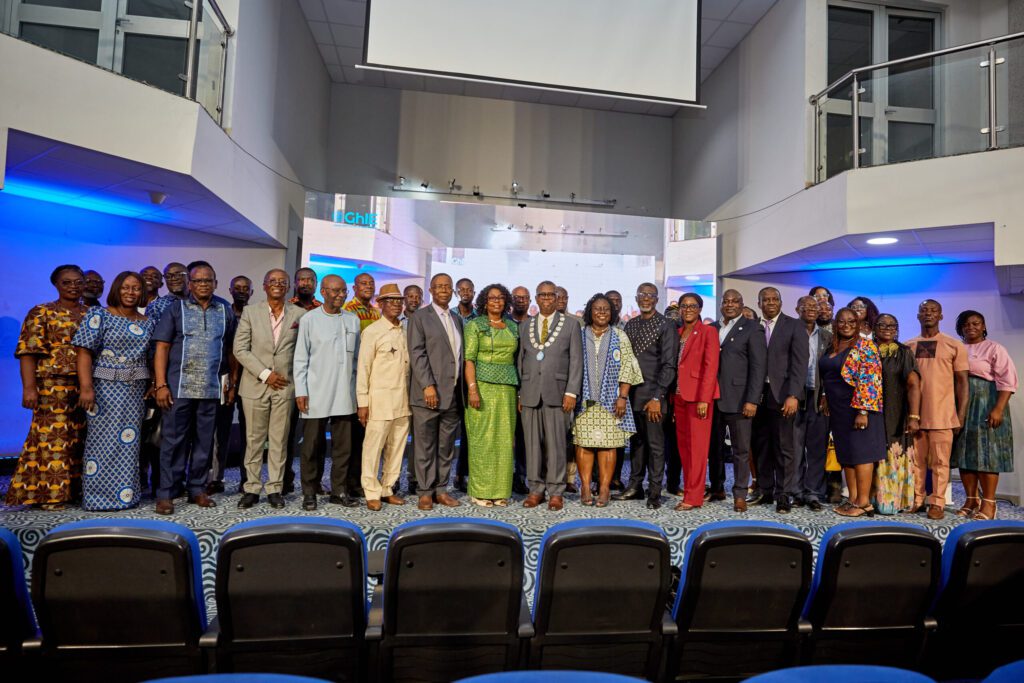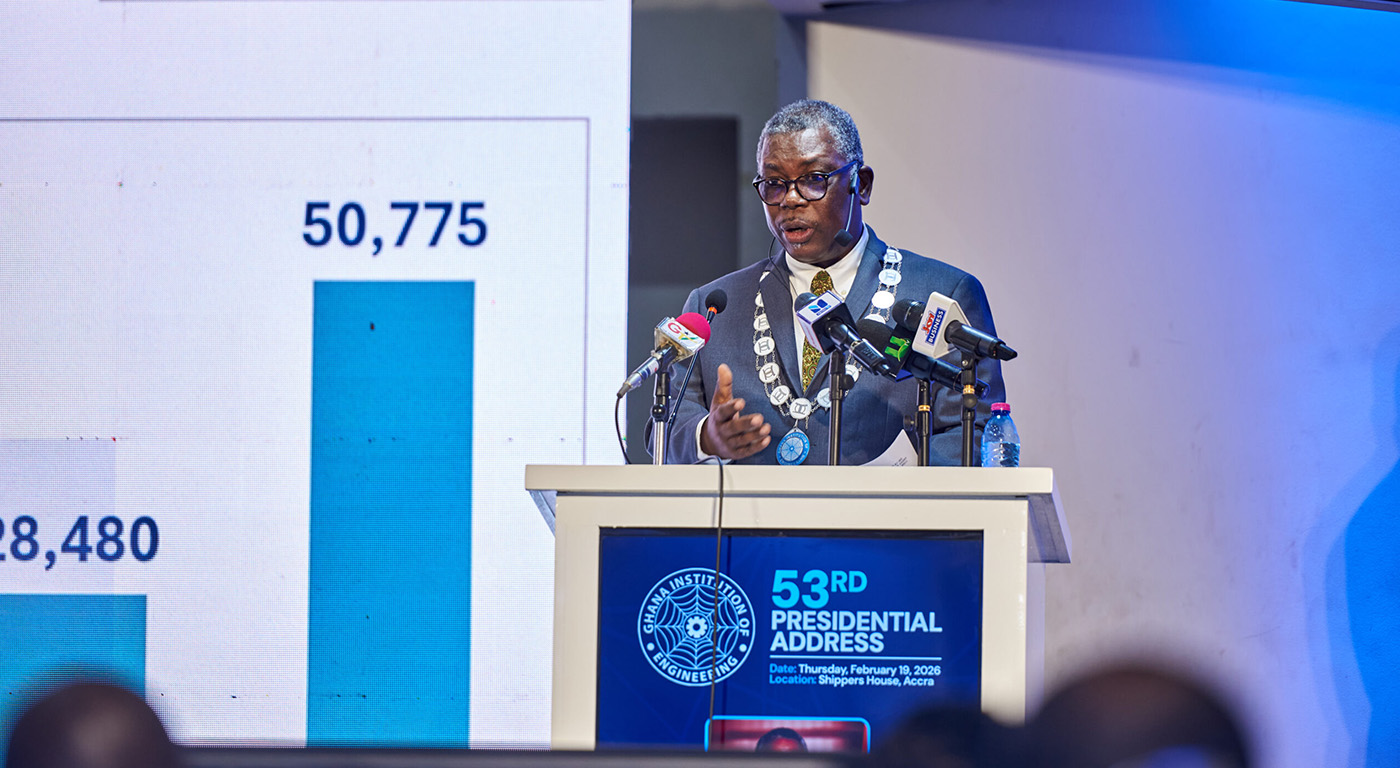

Accra, February 20, 2026 – The President of the Ghana Institution of Engineering (GhIE), Ing Ludwig Annang Hesse, F-GhIE, has called for a bold and thorough reset of Ghana’s road sector, urging government to restore financial discipline, strengthen institutions, and enforce transparent procurement systems.
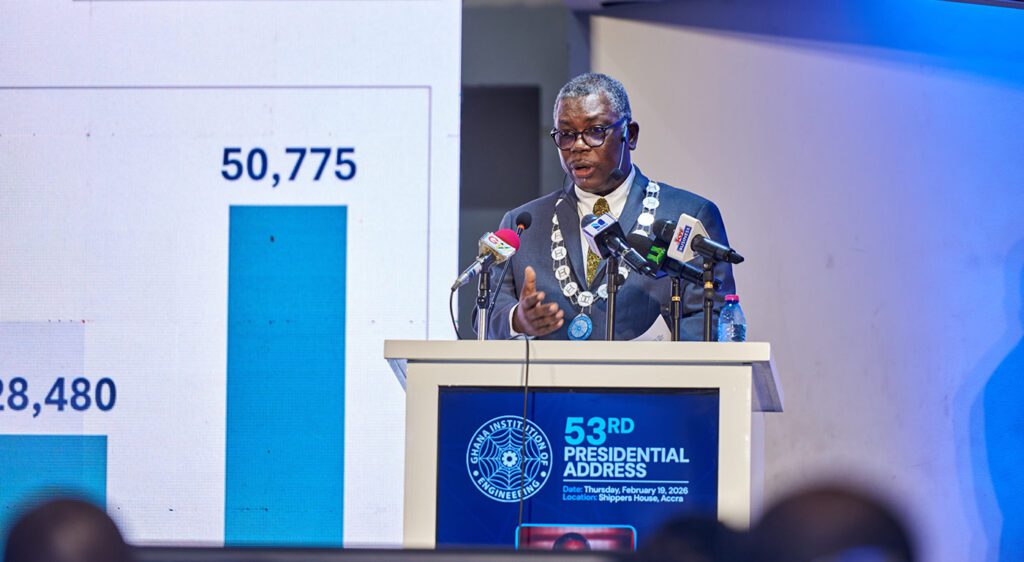
Delivering the 53rd Presidential Address in Accra under the theme, “Do It Well, Do It Right – A Focus on Roads in Ghana,” Ing Hesse presented a practical reform roadmap aimed at restoring sustainability, professionalism, and public confidence in the sector. “We cannot continue to build roads without building systems,” he stressed.
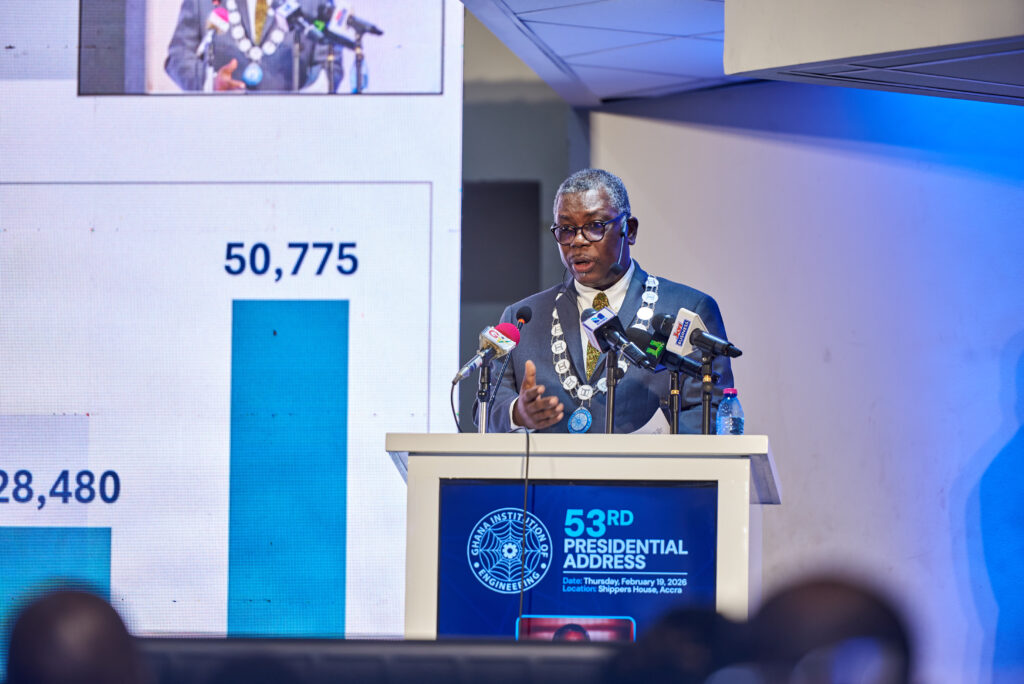
Ing Hesse called on the Minister of Finance to fully implement the Public Investment Management Regulations, 2020 (LI 2411), and operationalize the Public Investment Plan (PIP).
He cautioned that infrastructure projects must be aligned with available resources to avoid unsustainable debt accumulation. Approving projects without secured funding, he noted, only deepens the sector’s financial exposure and undermines long-term stability.
Ing Hesse further urged government to streamline the road project portfolio, assume responsibility for outstanding contractor payments, and negotiate structured settlement arrangements.
He also recommended relieving the Road Maintenance Trust Fund (RMTF) of non-maintenance obligations and increasing the fuel levy to the equivalent of US$0.10 per litre to ensure sustainable funding for road maintenance.
The GhIE President proposed significant institutional reforms within the National Roads Authority (NRA), including the development of a national integrated road inventory and condition database to support effective planning and asset management.
He called for the establishment of a centralized system for routine road traffic data collection to guide evidence-based decision-making. “Data must drive decisions. Without reliable data, we are planning in the dark,” he said.
He also advocated the modernization of axle load enforcement through weigh-in-motion technology supported by automated central data systems. Additionally, he called for a review of the NRA Act 2024 (Act 1118) to clearly separate policy, regulatory, asset management, and service delivery functions, emphasizing that institutional clarity is critical for accountability and professionalism.
Ing Hesse urged the full implementation of the Web-based Integrated Road Asset Management System (WIGRAMS) to enhance efficiency, transparency, and performance monitoring in road maintenance operations.
In line with the national reset agenda, Ing Hesse appealed to the President of the Republic to issue a clear policy directive to drive reforms in the sector. He further called on the Public Procurement Authority, in collaboration with civil society, to develop transparent guidelines governing single-source and selective tendering processes. “Infrastructure must serve the public interest. Transparency is the cornerstone of trust,” he emphasized.
Addressing urban mobility challenges, he recommended amending the Local Governance Act, 2016 (Act 936) to allow for the establishment of Greater Metropolitan Authorities (GMAs) to improve coordinated planning especially for transportation.
He also advocated renewed investment in Bus Rapid Transit (BRT) and urban rail systems, as outlined in the 2016 Accra Transport Masterplan, and called for the reinstatement of planned BRT system in Kumasi.
On road safety, he urged immediate action to reduce fatalities, including consistent maintenance of road signs and markings and stronger oversight of commercial motorcycle (okada) operations. The 53rd Presidential Address reaffirmed GhIE’s role as a leading voice in national infrastructure policy. The event brought together engineers, policymakers, industry leaders, and members of the public, reinforcing GhIE’s continued commitment to shaping Ghana’s development agenda.